
Japan Immigration Support for Overseas Employers | COE Applications
Japan immigration support · Foreign employers · Global HR teams
Japan Immigration Support for Overseas Employers
Planning to transfer an employee to Japan, hire talent for a Japanese operation, or establish a working arrangement with a Japanese company? We help overseas employers assess the appropriate status of residence, the Certificate of Eligibility (COE) process, the documents required from both countries, and whether a valid Japan-side application route is available.
Initial consultation is free. Overseas inquiries are welcome. Phone hours: 9:00–18:00 Japan time. Case-specific fees and filing eligibility are confirmed before engagement.
Who this service is for
Immigration questions faced by overseas employers
Sending staff to a Japanese subsidiary
Your company has a Japanese group entity and wants to assign an existing employee to work there. We review the corporate relationship, the assignment period, the employee's overseas work history and proposed duties.
Transferring an employee to a Japan branch
Your foreign corporation has a Japanese branch or office. We identify the evidence of the Japan operation and assess whether the Intra-company Transferee category may be appropriate.
Recruiting international professionals
A Japanese receiving company plans to employ a specialist recruited from overseas. We examine the job description, educational or professional background, employment terms and relevant work status.
Operating without a Japanese subsidiary
Your business has no Japanese company or office and wants someone to work from Japan. We first examine whether the planned activity fits a residence status and whether the COE can lawfully be filed in the proposed arrangement.
The first legal question
Can a foreign company apply for a Japan COE?
Sometimes—but a foreign employer's existence alone does not establish COE eligibility. The answer depends on the Japanese activities, the immigration status, the relationship between the overseas and Japanese entities, and who is legally entitled to submit the application.
1. Activity
What will the individual actually do in Japan? A job title or an overseas employment contract alone is not enough.
2. Receiving arrangement
Is there a Japanese branch, subsidiary, employer or other institution connected to the proposed activities?
3. Filing authority
Who is permitted to file or arrange submission of this particular COE application in Japan?
Important: Hiring a Japanese Administrative Scrivener (Gyoseishoshi) does not automatically replace a qualifying Japanese receiving institution or create a filing right where immigration rules do not permit one. We confirm the applicant/agent and application-intermediary requirements before accepting a filing assignment.
Common cross-border structures
Which immigration pathway might fit your company?
These are initial reference points, not automatic eligibility determinations. The appropriate status depends on the actual arrangement and the current requirements of the Immigration Services Agency of Japan.
| Business arrangement | Potential route | What we need to check |
|---|---|---|
| Foreign head office → Japanese branch | Intra-company Transferee (企業内転勤) | Japan office, overseas employment history, assignment period, specialist duties and compensation. |
| Foreign parent or group company → Japanese company | Intra-company Transferee or another appropriate work status | Corporate ownership and group relationship, proposed employer, work location and duties. |
| Japanese company hires a professional who lives abroad | Engineer / Specialist in Humanities / International Services (技術・人文知識・国際業務), or another qualifying status | Contract with the relevant Japan-side institution, degree/work experience, job duties and salary. |
| Highly qualified professional taking a specialist role in Japan | Highly Skilled Professional, where eligible | Qualifying activities, education, professional record, remuneration and applicable points/criteria. |
| Foreign employer with no Japanese entity | Individual assessment needed; no universal employer-sponsored COE route | Whether a particular residence status applies and whether a lawful filing route and receiving arrangement exist. |
| Overseas media organization sending a correspondent | Journalist (報道), when the statutory activity is met | Foreign news organization agreement, reporting activities, financial terms and filing eligibility. |
A Japan-based subsidiary is not always the only possible structure. Some residence categories—such as Journalist—specifically contemplate qualifying agreements with foreign organizations. Conversely, an ordinary overseas remote-work arrangement does not automatically qualify for a standard Japanese employment COE.
Understanding the process
What is a Certificate of Eligibility (COE)?
A Certificate of Eligibility (在留資格認定証明書) is issued by Japan's immigration authority following a review of the intended activities and applicable landing criteria. For many longer-term employment and assignment cases, it is obtained before the employee travels to Japan.
For eligible procedures, electronic COEs may be received by email and forwarded to the employee abroad, subject to the official electronic-issuance process.
Filing eligibility
Who can submit the COE application?
The Immigration Services Agency specifies who may apply, act as a statutory agent, or submit documents as an authorized application intermediary. Depending on the residence status, an eligible representative of the receiving institution in Japan may serve as the statutory agent.
A notified Gyoseishoshi may act as an application intermediary when the case meets the applicable rules. In particular, the authority's general COE procedure states that an application intermediary submits on behalf of an applicant or eligible agent who is staying in Japan. The correct structure needs confirmation when the employee and employer are both outside Japan.
Our approach: before promising an immigration filing, we check the proposed Japan-side receiving organization or other authorized person, the competent immigration office and the scope of the intermediary's role. When no valid filing structure is identified, we explain the limitation rather than suggesting that a professional's involvement alone solves it.
Documents from both sides
What documents should an overseas employer prepare?
Requirements differ by immigration status, the Japanese receiving institution's category, and the employee's circumstances. The following is a practical planning checklist; it is not an exhaustive statutory list.
From the overseas employer
From the Japan-side organization
From the individual
Translation and consistency
Foreign-language documents submitted to Japan's immigration authority generally require a Japanese translation. We also review consistency across company names, assignment dates, job descriptions, compensation figures and translated records.
The authority may request additional documents during examination.
How we work
From your first inquiry to the employee's arrival
Tell us your proposed Japan arrangement
Share the overseas company's country, any Japanese entity or business partner, the employee's nationality and current location, proposed job and target start date.
Check residence-status and filing feasibility
We review the proposed Japanese activities, receiving structure, contractual or group-company links, and who is authorized to submit the COE application.
Receive a quotation and tailored document list
Once the scope is clear, we outline the required evidence, likely application steps, our professional fees and separately chargeable expenses.
Prepare documentation and support eligible filing
We review submitted records, prepare application materials within the agreed scope and handle application intermediation where legally permitted.
Coordinate next steps after the immigration decision
We assist with requests for further documentation within the agreed service scope and explain COE delivery and the employee's separate visa-application process.
Transparent professional fees
Japan COE application support fees
Our published professional fees for representative COE categories are below. All amounts include Japanese consumption tax.
| Immigration category / service | Professional fee (tax included) |
|---|---|
| Intra-company Transferee COE | From ¥110,000 |
| Engineer / Specialist in Humanities / International Services COE | From ¥110,000 |
| Highly Skilled Professional (i) COE | From ¥110,000 |
| Journalist COE | From ¥110,000 |
| Business Manager COE, where applicable | From ¥165,000 |
Government filing fee for a COE application: ¥0. This does not mean our document-preparation and professional services are free. Depending on the case, translation, certificates, postage, travel, additional explanatory statements and other expenses may be billed separately. Consular visa fees and later residence procedures are separate. We provide a case-specific quotation before engagement.
Professional support in Japan
About our office
Kawagoe Masanobu Administrative Scrivener Office is based in Sagae City, Yamagata Prefecture, Japan. We accept immigration inquiries from companies in Japan and overseas. We are a licensed Gyoseishoshi office—not a Bengoshi law firm—and provide document preparation and application-intermediary support within the scope permitted by Japanese law.
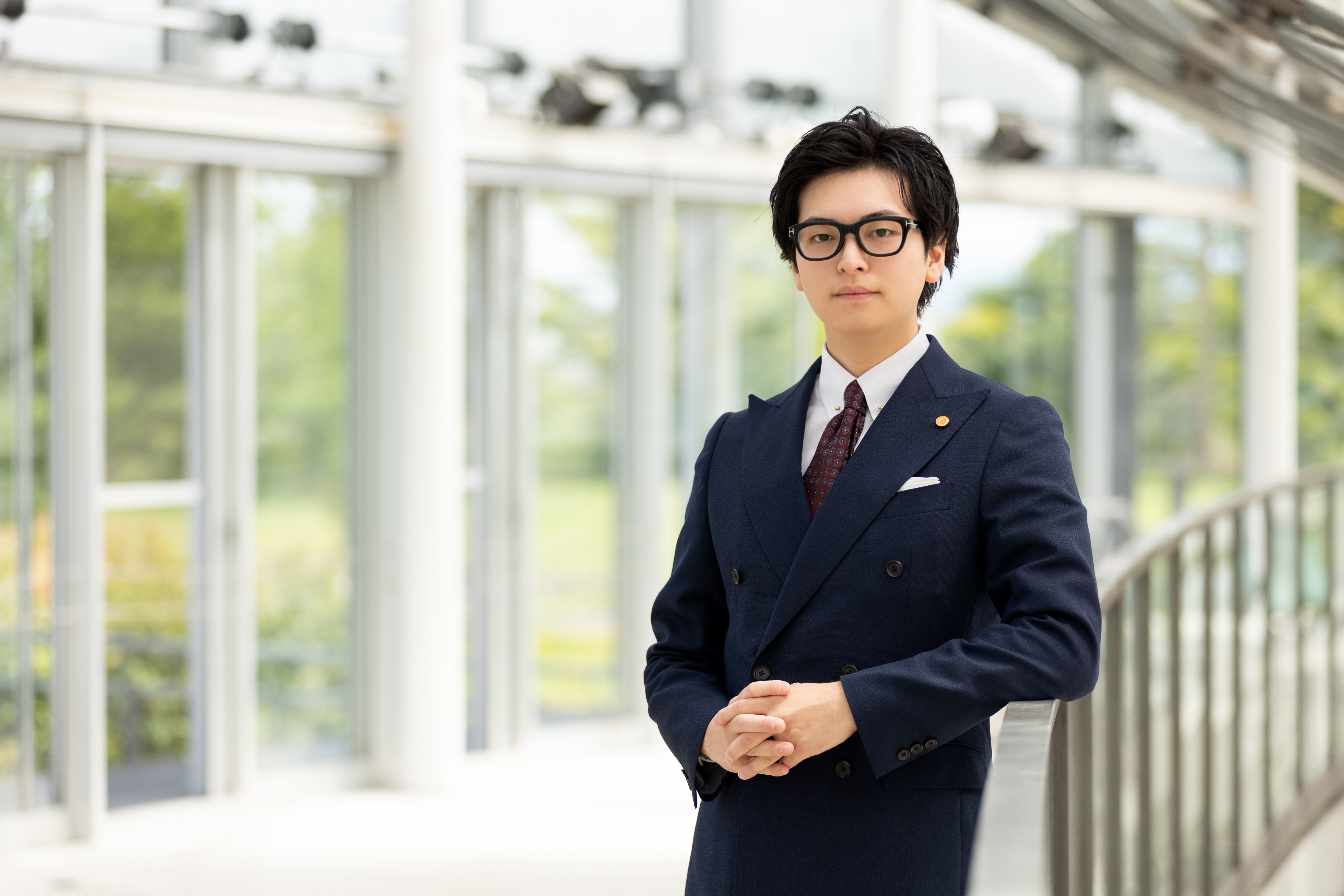
Masanobu Kawagoe
Representative Gyoseishoshi / Application Intermediary
Gyoseishoshi registration no. 23071191
Kawagoe Masanobu Administrative Scrivener Office
Sagae City, Yamagata, Japan
For appropriate cases, consultations and document coordination may be conducted remotely. Whether submission can be handled online or through an intermediary depends on the procedure and filing eligibility.
Frequently asked questions
FAQs for international HR teams
Can our overseas company sponsor a Japanese work visa without a Japanese subsidiary?
There is no universal answer. For common employment categories, a qualifying relationship with a Japan-side institution and a valid filing structure are crucial. Some specific residence categories contemplate activities under contracts with foreign organizations. We check the intended activities and category before advising whether a COE route is available.
Can your office file a COE application if both our company and employee are overseas?
Not automatically. COE submission is limited to persons authorized under the applicable procedure. A Gyoseishoshi's application-intermediary role does not by itself create a Japanese statutory agent or remove the relevant presence requirements. We assess whether there is an eligible Japan-side arrangement and lawful filing route.
Does an employee need to work for our overseas company for one year?
For the Intra-company Transferee category, the general requirement includes at least one year of continuous qualifying duties at the overseas establishment immediately before transfer, subject to the applicable rules. This is not a universal rule for every work status. A different status may be appropriate depending on education, experience, contracts and proposed duties.
Can salary continue to be paid by the overseas parent company?
Payment by the overseas entity is not, by itself, decisive in every transfer case. The employment or assignment relationship, actual remuneration, who bears the costs and the applicable compensation requirements all need to be documented and reviewed.
What if our Japan subsidiary is newly incorporated?
A newly established Japan-side business is not automatically excluded from consideration. However, proof of its operations, premises, business plan, financial arrangements, proposed duties and corporate relationship may be particularly important. Requirements vary by status.
How long will the COE application take?
Processing times vary by category, immigration office, application volume and whether additional evidence is requested. We recommend beginning preparations well ahead of the intended start date and will not promise an approval date.
Do documents from outside Japan need Japanese translations?
Foreign-language documents submitted to the Immigration Services Agency generally need Japanese translations. The relevant documents and any additional certification requirements depend on the status and the evidence being relied upon.
Is the COE the same as an entry visa?
No. A COE supports the subsequent visa and landing examination but does not itself substitute for the visa where a visa is required. The employee generally applies through the relevant Japanese diplomatic mission after receiving the COE.
Can you support more than one employee or ongoing transfers?
We welcome inquiries about multiple employees and repeat assignments. Scope, available filing arrangements, documentation, fees and timing are reviewed case by case.
Can we consult your office in English from overseas?
Yes. Please use our online contact form and describe your business structure and planned activities in Japan. We can review your initial inquiry without requiring your HR team to visit Yamagata.
Useful resources
More on Japan work and immigration procedures
Guides from our office
Official immigration information
Official pages may be in Japanese. Please check the applicable official procedure for your particular residence status.
Cross-border hiring · Employee transfers · COE planning
Tell us about your plans for Japan
To help us assess the route, include your company's country, the Japan-side branch/company (if any), the employee's nationality, proposed duties, location in Japan and target assignment date. We will explain what should be checked next and provide a quotation where a suitable service is available.
Kawagoe Masanobu Administrative Scrivener Office · Sagae City, Yamagata, Japan · Phone: 9:00–18:00 Japan time · We do not guarantee immigration approval.