
Japan Long-Stay & Immigration Support for Singapore Residents
Japan, Beyond Your Next Holiday.
Love Japan enough to spend more time here? Whether you are considering a longer stay, a second home, family relocation or a business presence in Japan, make your plans with a clear understanding of the immigration and administrative requirements.
Masanobu Kawagoe Administrative Scrivener Office assists clients in Singapore with Japanese immigration applications, administrative documentation and relevant permits within our professional scope. We welcome English-language inquiries from Singapore citizens, permanent residents and international families living in Singapore.
Japan office: +81-237-86-7198 · 9:00–18:00 Japan Standard Time. Singapore is one hour behind Japan. No immigration or administrative approval is guaranteed.
From a favourite destination to a carefully planned connection with Japan
Spend a longer season in Japan
For financially independent travellers and retirees who wish to enjoy Japan beyond a short holiday. We review whether the long-stay sightseeing and recreation category could suit your nationality, savings and plans.
Own a Japanese villa or holiday property
For Singapore-based buyers considering a private home in Japan. We help identify relevant Japanese administrative reporting requirements and explain why property ownership and immigration permission are separate matters.
Expand a Singapore business into Japan
For company founders and directors establishing a subsidiary or branch, arranging necessary business permits, or considering the immigration route for a person who will actually manage operations in Japan.
Relocate with your spouse or children
For executives, specialists and entrepreneurs whose qualifying Japanese residence arrangements may permit accompanying family members. Each family member's residence category must be assessed independently.
Open or operate a hotel or ryokan
For investors developing or acquiring accommodation businesses. We examine relevant Japanese hotel/inn permits, administrative notifications and immigration requirements for qualifying managers or employees.
English-language administrative guidance
Tell us what you want to achieve in Japan. We identify which matters fall within our Japanese administrative scrivener practice and which require a separate licensed specialist.
Stay longer in Japan for sightseeing and recreation
Singapore citizens generally enjoy visa-exempt entry for qualifying short visits to Japan for up to 90 days. If your goal is to spend a significantly longer period enjoying Japanese culture or leisure activities, a separate immigration route may be required.
Japan's Designated Activities: Long Stay for Sightseeing and Recreation may suit eligible adults with independent financial resources. It is not a general retirement visa, and it does not permit ordinary employment or active management of a Japanese business.
6 months
A qualifying extension may allow a total stay of up to one year; extensions are not automatic.
Over JPY 30 million
Qualifying savings held by the applicant and spouse combined, with prescribed bank evidence.
Eligible nationality & insurance
Age 18+, nationality covered by Japan's visa-waiver rules, and required private medical travel insurance.
An accompanying spouse may qualify under the program's specific conditions, but dependent children cannot accompany under this particular wealthy visitor long-stay category. A different status must be considered for family relocation with children.
Singapore PR is not Singapore citizenship. A permanent resident of Singapore holding another country's passport must be assessed using their actual nationality. A Singapore residential address or PR card does not by itself create eligibility for Japan's visa-waiver or wealthy long-stay scheme.
A Japanese second home: property procedures and immigration are separate
A private home in Kyoto, Hokkaido, Tokyo, Hakone or another part of Japan can be a rewarding connection with the country. Foreign individuals may generally acquire ordinary Japanese residential property without already holding Japanese residence status. However, the location, land category and intended use may create specific requirements.
Foreign exchange reporting
Under the Foreign Exchange and Foreign Trade Act (FEFTA), a non-resident who acquires Japanese real estate may need to file a Japanese-language report via the Bank of Japan, generally within 20 days after acquisition. The scope expanded for acquisitions from 1 April 2026, subject to statutory exceptions.
Location-specific notifications
Large land transactions, qualifying forest land, farmland, certain special monitoring areas or planned changes of use can trigger different notices or permissions. Some require attention before signing a contract.
We can examine potentially applicable administrative reports and discuss document preparation and permitted filing arrangements. Property brokerage, conveyancing and registration, tax advice and technical inspections belong to the relevant licensed professionals. We do not sell real estate or promise property transactions.
There is no residence-by-property-purchase program. Buying a luxury condominium or villa does not grant a Japanese visa, work permission or permanent residence. The purpose and duration of each visit need to be considered separately.
Official non-resident property reporting guidance — Ministry of Finance
Build a genuine business presence in Japan
Thinking of entering the Japanese market through a subsidiary, branch office or representative office? These structures have different legal and commercial consequences. A representative office is generally limited to preparatory and liaison activities and cannot conduct sales in Japan.
If you personally intend to operate or manage a business in Japan, the Business Manager status may be relevant. Under the general revised criteria effective 16 October 2025, a new application usually requires a qualifying business scale (for a company, generally JPY 30 million or more in capital or contributions), at least one eligible full-time employee, prescribed Japanese-language capability, relevant professional background, suitable premises and a credible business plan subject to the prescribed review.
Forming a company or transferring capital does not automatically grant a Business Manager status. Nor must every Singapore-based shareholder obtain Japanese residence simply to own shares while remaining abroad. The applicant's real activities in Japan determine the immigration analysis.
Our Japan-side work
Japanese immigration document preparation, suitable COE / change / extension applications where legally permitted, and business-related permits and administrative documents within our licensed scope.
Specialist coordination
Commercial registration, company accounting, taxes, employment-law compliance and regulated legal matters require the appropriate judicial scrivener, tax accountant, labour specialist or lawyer as applicable.
Our detailed Business Manager guide (Japanese) · JETRO: forms of business presence in Japan
Plan residence options for every family member
Moving to Japan with children or a spouse requires more than a property purchase or the financial ability to support the family. For example, eligible spouses and dependent children of certain foreign workers, Business Manager residents and Highly Skilled Professionals may qualify for Japan's Dependent status.
The rules differ for spouses who wish to work, adult children, parents, and domestic staff. Highly Skilled Professional categories may provide additional family arrangements under specific conditions; those benefits do not apply automatically to all affluent households.
A Singapore citizen, Singapore permanent resident with a different passport, and a child with another nationality can have different entry and residence requirements. We review the actual nationality, relationship, intended activity and proposed living arrangements of each person.
Our family and Dependent visa guide (Japanese) · Highly Skilled Professional guide (Japanese)
Considering a Japanese hotel, ryokan or guest accommodation business?
Acquiring a hotel or traditional ryokan can involve various Japanese administrative requirements. Depending on the business model, these may include a permit under the Inns and Hotels Act, food-service permission for an attached restaurant, fire and building compliance, and procedures concerning a change of operator.
Where a foreign owner, manager or employee will actually live and work in Japan, immigration requirements are a separate issue. Passive ownership does not itself create Business Manager eligibility.
We can evaluate the administrative filings relevant to the proposed operation within our professional scope and identify where other qualified experts are needed. We do not provide investment solicitation, property brokerage or promises about financial returns.
Quick comparison: what do you want to do in Japan?
| Your plan | Potential arrangement | Main point to check |
|---|---|---|
| Visit Japan for a holiday | Visa-waiver / Temporary Visitor or required short-stay visa | Passport nationality, entry conditions, permitted visit duration and activities. |
| Enjoy an extended leisure stay | Designated Activities: Long Stay for Sightseeing and Recreation | Eligible nationality, savings above JPY 30 million, age, medical insurance and spouse limits. |
| Work remotely for overseas clients | Digital Nomad, if nationality and activity qualify | Six months without extension, individual annual income of at least JPY 10 million and required insurance. |
| Run a Japanese company | Business Manager or another applicable status | Actual management and current company, staff, office, language and professional criteria. |
| Move with a spouse or children | Dependent or another qualifying family status | The principal applicant's eligible status, family relationships and financial support. |
| Buy a home without relocating | Property-related administrative compliance, plus separate travel permissions | FEFTA non-resident reporting, land rules and the owner's actual Japan visit purpose. |
This is an overview, not an eligibility guarantee. Visa, Certificate of Eligibility, status of residence and permission to enter Japan are separate matters. A change from Temporary Visitor status to longer-term residence is restricted.
Describe your nationality, intended activities, family situation and preferred timeline. We can help identify the Japanese administrative procedures worth examining before you make commitments.
How our professional assistance works
Explain whether your main interest is a longer visit, property-related filing, family move or business operation.
We identify relevant residence categories, administrative documents and professional-scope limitations.
We explain the proposed work, fees and any separate official or specialist costs before engagement.
We assist with eligible Japanese filings and coordination after checking the lawful application arrangement.
Your nationality (not only Singapore residence status); what you want to do in Japan; expected stay or project timing; whether family members are involved; and, for a property or business matter, its general location or activity. Do not submit passport scans, bank statements or confidential contracts through an initial inquiry.
Individual quotation for every Singapore-based client
We quote according to the required immigration or administrative procedure, number of applicants, document complexity, relevant Japanese jurisdiction, coordination and agreed service scope. Government fees, translations, authentications, courier charges and separate professional services may be additional.
We cannot promise a visa, immigration approval, property transaction, business permit, company bank account or processing time. General office fee information (Japanese).
About Masanobu Kawagoe Administrative Scrivener Office
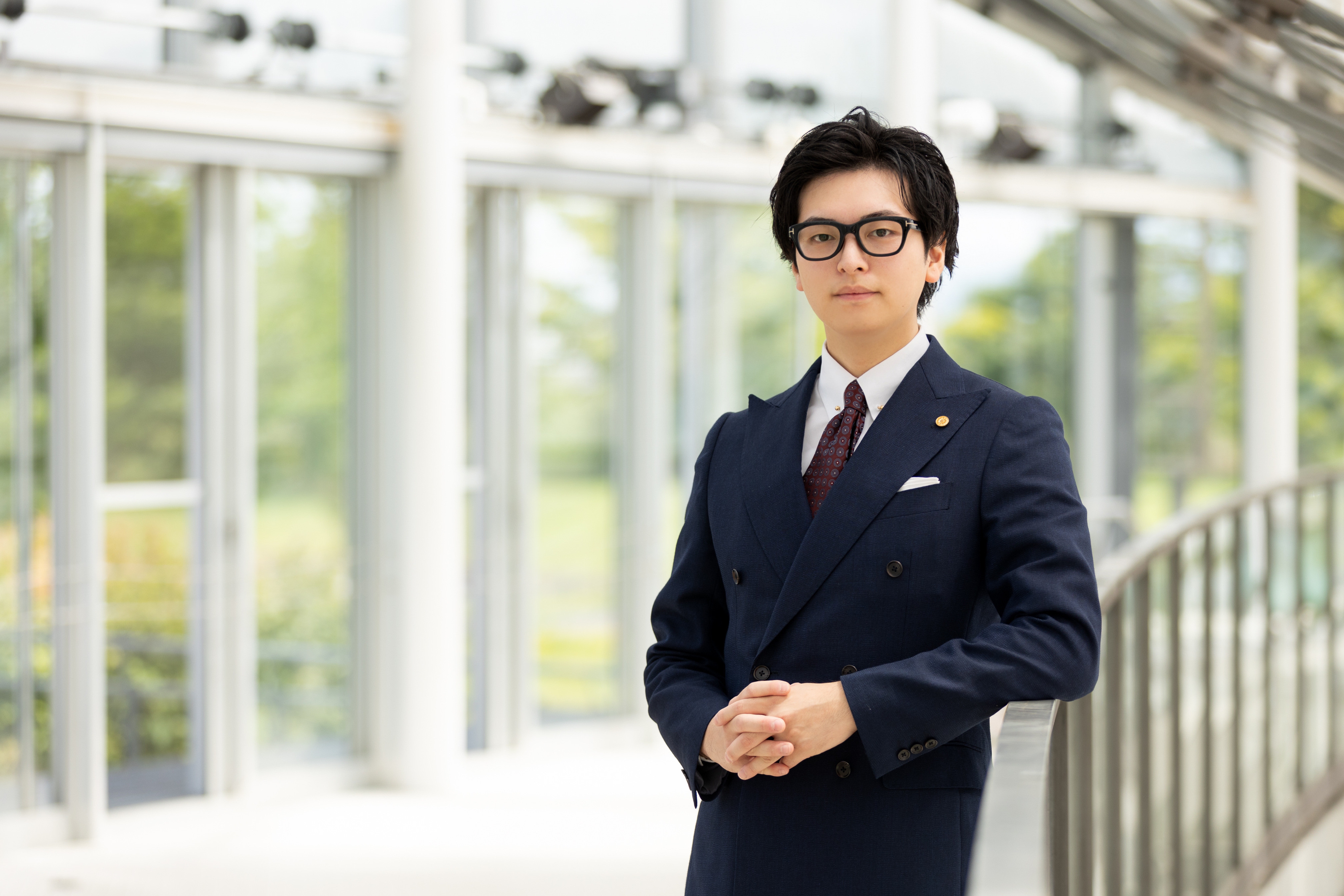
Masanobu Kawagoe
Representative · Immigration Application Intermediary Administrative Scrivener
Sagae City, Yamagata Prefecture, Japan
Our office supports immigration applications and Japanese administrative documents within the permitted scope of a licensed administrative scrivener. We accept English-language inquiries from clients overseas, including Singapore citizens and expatriates. Certain procedures require an eligible applicant or agent physically in Japan; the correct filing arrangement is reviewed case by case.
Office information · Client reviews · Japan re-entry procedures (Japanese)
Questions from Singapore residents considering Japan
Can Singapore citizens enter Japan without a visa?
Singapore citizens are generally eligible for Japan's short-term visa waiver for qualifying visits of up to 90 days. The permitted activities and landing requirements still apply. Work and long-term residence are separate matters.
Does Singapore permanent residency give me the same Japanese visa privileges?
No. Japanese visa-waiver and residence rules depend on actual passport nationality and the relevant immigration category. Singapore PR or a Singapore-based residence permit does not change your nationality.
Can I spend six months in Japan as a financially independent person?
Potentially, under the long-stay sightseeing and recreation category, if you are at least 18, hold an eligible nationality, have qualifying savings exceeding JPY 30 million and meet the insurance and other requirements. The usual initial period is six months.
Can a six-month long-stay permission be extended?
A qualifying extension may permit a maximum total stay of one year under the specific leisure scheme. Extension is not automatic, and the application must be considered before the permitted period expires.
Can my spouse and children accompany me under the wealthy leisure long-stay program?
A spouse may qualify under the specified accompanying-spouse provisions, including travel and residence conditions. Dependent children are not permitted under this particular program. Other residence arrangements require separate eligibility.
Does the JPY 30 million requirement mean I must invest or pay that amount?
No. It is a qualifying savings requirement, not a payment to the government or our office. The relevant bank savings and supporting records must satisfy official criteria; owning expensive property alone is not enough.
Can I buy a Japanese villa while continuing to live in Singapore?
Generally, foreign individuals can acquire Japanese residential property without first holding Japanese residence status, subject to property-specific laws and reporting. Ownership itself does not grant immigration permission.
What is the 20-day reporting rule for non-resident property buyers?
Under FEFTA, certain Japanese real-estate acquisitions by non-residents require a report to the Minister of Finance through the Bank of Japan, generally within 20 days after acquisition. The framework expanded for acquisitions from 1 April 2026. Exceptions and the purchaser's legal non-resident status need review.
Does buying property in Japan lead to a residence visa or permanent residence?
No. Japan does not offer an automatic residence-by-property-purchase route. Residence and permanent residence have independent legal conditions.
Can I establish a Japanese company without moving there?
Foreign ownership and company formation may be possible while living overseas. Company registration, banking and business licenses are separate procedures. If you intend to live and actually manage the company in Japan, your activities require a separate immigration assessment.
Is investing JPY 30 million enough for the Business Manager visa?
No. The revised requirements generally also cover an eligible full-time employee, Japanese-language ability, the manager's background, appropriate premises, a credible business plan and genuine Japanese operations. Capital alone cannot buy residence.
Can I transfer a manager or specialist from Singapore to Japan?
Possibly. Intra-company Transferee, Highly Skilled Professional or another work-based status may fit a genuine qualifying assignment. Corporate relationship, duties, qualifications and employment history must be reviewed.
Can my spouse and children move to Japan if I qualify for a work status?
Eligible spouses and dependent children of certain qualifying residents may receive Dependent status if the relationship, principal status, financial support and other requirements are met. Parents and domestic staff are not ordinary dependants; specific exceptions may apply in limited cases.
Can I work remotely from Japan for my Singapore company?
Do not assume ordinary remote work is permitted as a tourist. Japan has a Digital Nomad category for qualifying international remote work by eligible nationals with individual annual income of at least JPY 10 million and specified insurance. It lasts six months without extension. Your actual work and passport eligibility require separate examination.
What if I buy a hotel or ryokan in Japan?
The proposed operation may require a hotel/inn permit, food-related permits and other building or fire compliance. An operating business and the immigration permission of any foreign manager are assessed separately from acquiring the property.
Can I consult your office from Singapore in English?
Yes. We welcome English inquiries and can initially discuss your situation remotely. The filing route and any required Japan-side applicant or agent depend on the legal procedure.
What will your service cost?
The initial consultation is free. Every case receives an individual quotation covering the agreed scope of professional work. Government charges, translations, travel and other licensed professionals' fees may be separate. Approval cannot be guaranteed.
Understand the rules from public authorities
Tell us what you would like to make possible in Japan
Whether you are based in Singapore and considering a longer stay, a Japanese second home, family relocation, or a genuine business venture, we welcome your initial inquiry in English. Please tell us your passport nationality, main objective, anticipated dates and whether family members or a company are involved.
Masanobu Kawagoe Administrative Scrivener Office
Sagae City, Yamagata Prefecture, Japan · Overseas English inquiries welcome
Telephone hours: 9:00–18:00 JST (8:00–17:00 Singapore time). Initial inquiries can be sent through the contact form outside telephone hours. Every immigration or administrative matter is subject to applicable law, procedure and the competent authority's decision.