Illustrations and fine art
Show authored creative work, works catalogue, exhibits and remunerated output.

Are you a digital painter, concept illustrator, 3D modeler or Blender artist with a record of independent creative work? The Artist status may be relevant to remunerated fine-art or literary visual creation, but commercial production for an employer, game studio, advertising business or unrelated company may be subject to a different residence category. We help applicants distinguish those activities and document real artworks, portfolios and artistic earnings.
Japanese immigration application support · Japan-wide and overseas enquiries · Telephone 9:00–18:00 JST
Show authored creative work, works catalogue, exhibits and remunerated output.
Explain artistic composition and 3D production steps with selected project examples.
Distinguish artistic practice from ordinary contract-based commercial design or technical roles.
Japan’s Artist status covers income-generating art. Digital media can form part of a creative practice, but using a digital painting program, Blender, or a rendering engine is not by itself the legal test. The substance of your work—what you personally create and how it is remunerated—matters.
| Main creative role | What to examine |
|---|---|
| Independent artistic illustration and exhibitions | Artist may be appropriate where income-generating art and professional achievements are proved. |
| Original 3D sculpture / visual artwork with licensing income | Artist may be considered; demonstrate artistic work, history and sales. |
| Game studio employee producing assets for a Japanese employer | Engineer / Specialist in Humanities / International Services or another status may need assessment based on specialized duties and contract. |
| Architectural CAD, industrial engineering or technical visualization | Technical status classification may differ from independent art. |
| Model or asset seller mainly reselling other creators’ files | Income is not automatically proof of personally performed artistic work. |
| Performing animation show, live on-stage production | Entertainment-related classification may arise depending on the real activity. |
Sketches, composition decisions, anatomy studies, painting layers and finished works as genuinely available.
Blockouts, modeled meshes, sculpting, UV and texture development, rigging or lighting where actually performed.
Original characters, narrative sequences, visual themes, finished scenes and publication records.
Artists sometimes use procedural textures, motion libraries, purchased models or AI-assisted previews. Disclose material contributions and licenses accurately. A finished scene does not necessarily mean every mesh or texture was personally authored.
| Production input | Recommended evidence practice |
|---|---|
| Original hand-modeled mesh | Keep project file or selected modeling stages if available. |
| Purchased asset library | Identify third-party components and permitted rights where relevant. |
| AI-generated texture or concept | Explain truthful use and any meaningful original work. |
| Collaborative production | Credit team roles and identify the applicant’s contribution. |
| Client-directed commercial work | Describe whether principal work is professional design employment rather than independent art. |
| Income source | Records to examine |
|---|---|
| Fine-art sales | Artwork list, sale confirmations and purchaser payment records. |
| Illustration commissions | Work agreement, delivered art and invoice payment. |
| 3D asset licenses | Creator catalogue, license statements and bank transfers. |
| Subscription work | Art archive, receipts, refunds and payout reconciliation. |
| Studio employment | Actual Japanese employer contract; specialized status classification may be necessary. |
List illustration, 3D art, visual narrative or relevant creative activities.
Identify realistic deliverables, creation timelines and locations.
Choose works, professional history and recognition that genuinely exist.
Prepare prior income, real contracts and reasonable future licensing or sales estimates.
Compare Artist with employment-based specialist or other statuses.
Use the correct COE, change or renewal document categories.
Share your portfolio, main client work, planned Japan activity and how you earn money.
Request an English Consultation| Required information category | Examples for an illustrator or 3D artist |
|---|---|
| Details of paid work | Contracts identifying activity, period and remuneration, if applicable. |
| Independent activity plan | Self-prepared statement identifying work, term and projected income where no contract exists. |
| Career and art achievements | Artistic CV, catalogues, authentic reviews or awards. |
| Financial evidence | Work-linked sales, payment and licensing records; renewal tax records as required. |
| Identity and procedure | Passport, card when applicable, photo and proper application forms. |
| Translation and other evidence | Japanese translations of foreign-language materials and any additionally requested documents. |
An advertising or gaming company may require an employment-based category; job title alone is not decisive.
Artistic talent may be real, but Artist status concerns remunerated art activities.
Explain what you create and what revenue actually comes from art.
No separate status with that name. Income-generating art may fit Artist, while studio/technical design employment may fit another status.
Potentially, based on actual remunerated artistic work, history, documented achievements and a credible Japan-based plan.
Digital and 3D media may be part of an art practice, but using Blender does not automatically determine immigration classification.
The actual employer contract and specialist duties may point to Engineer / Specialist in Humanities / International Services instead of independent Artist.
A genuine exhibition can be evidence of artistic achievements. It is not alone a guarantee of immigration approval.
They can be relevant to your artistic history and remuneration, but the principal proposed work and appropriate status must be assessed.
A dated works catalogue, honest project breakdown, completed scenes and selected actual process files may help.
No. Be clear about purchased or licensed inputs, third-party work and your actual artistic contribution.
Possibly; describe actual creative work, and review copyright separately. There is no published AI-specific Artist visa threshold.
The official Artist document list focuses on artistic activities, professional achievements and income; a universal university degree requirement is not specified.
Not necessarily. The official Artist list provides for independent activities without a contract with one organization, with a self-prepared activity and projected-income statement.
Art-linked licensing statements may support remuneration, but a platform account alone is not proof of qualifying Japan-based work.
Not necessarily. A commercial web design employment role may require an employment-based specialist status.
That is a distinct technical activity; do not assume it is Artist simply because 3D software is used.
Overseas enquiries are welcome. A lawful filing arrangement in Japan for a COE must be confirmed.
The published periods are 5 years, 3 years, 1 year or 3 months, determined individually.
Artist COE/change professional fees start from ¥110,000 tax included; ordinary extension from ¥44,000, with additional costs as applicable.
No. Only the competent immigration authority decides permission.
| Service | Our professional fee (tax included) | What is included |
|---|---|---|
| Artist COE application | From ¥110,000 | Evidence assessment and application preparation for eligible overseas cases. |
| Change of status to Artist | From ¥110,000 | For eligible applicants already in Japan. |
| Ordinary Artist residence extension | From ¥44,000 | For continuing activities without material changes; complex cases individually quoted. |
| Review of application materials only | From ¥22,000 | Limited initial document review; complete set review from ¥33,000. |
| Complex digital-art / 3D portfolio and licensing evidence | Individual quotation | The proposed evidence, translations and additional statements are evaluated before engagement. |
Professional fees above are starting amounts and include Japanese consumption tax. Government permission charges when applicable, document procurement, translation, postage, travel and other expenses are separate. COE filing itself ordinarily carries no immigration application charge. We explain the work scope and quotation before engagement. There is no guarantee of approval.
Kawagoe Masanobu Administrative Scrivener Office in Sagae, Yamagata Prefecture, assists foreign artists and Japanese partners with immigration evidence and authorized application-intermediary services. We accept initial enquiries from Japan and overseas. Each case is reviewed according to its genuine activities and documentary facts.
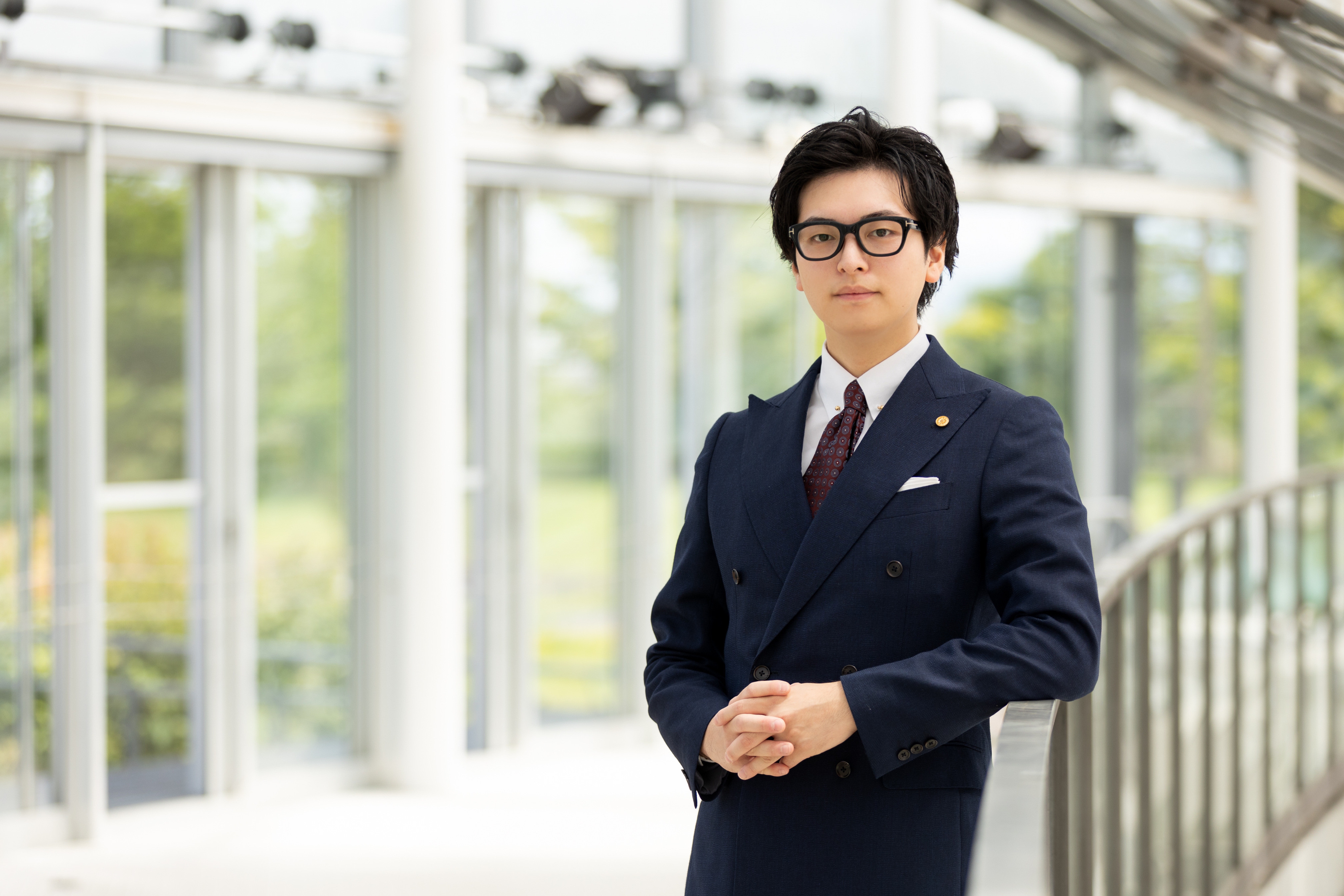
Licensed Administrative Scrivener / Immigration Application Intermediary
Sagae, Yamagata, Japan
Telephone: +81 237-86-7198
Online enquiries from across Japan and overseas.
The Immigration Services Agency decides immigration status and may ask for further documents. Japan’s Agency for Cultural Affairs addresses copyright issues separately; its AI copyright guidance is not an Artist visa approval rule.
Tell us about your visual works, Blender or illustration workflow, paid art history and intended work in Japan. We will help distinguish the correct residence category and evidence requirements.
9:00–18:00 JST · Artist COE / change support from ¥110,000 including tax · No approval guarantee