Human creative contribution
Explain artistic intention, design decisions, selection, editing and final expression without overstating personal authorship.

Are you a digital artist, illustrator, visual storyteller or independent creator who uses generative AI as part of a wider artistic workflow? Japan's Artist (芸術) residence status may be considered for genuine income-generating artistic activities, but using AI, owning software subscriptions, or earning platform revenue does not automatically qualify. We help applicants organize the real creative process, works, professional activity and financial evidence for immigration review.
Japanese immigration application support · Japan-wide and overseas enquiries · Telephone 9:00–18:00 JST
Explain artistic intention, design decisions, selection, editing and final expression without overstating personal authorship.
Show a dated portfolio, production history, publications, commissions and recognition.
Connect sales, licenses and creator payments to genuine artistic work planned in Japan.
No. Japan has a general Artist residence status for remunerated activities in music, fine arts, literature and other arts, excluding activities classified as Entertainer. The Immigration Services Agency does not publish a standalone “AI Artist Visa” or a fixed rule saying that every AI-assisted image is—or is not—qualifying art.
Immigration must assess what you personally do in Japan, whether that activity is properly artistic in nature, your documented achievements, and how it generates or is expected to generate income. The amount of AI assistance is relevant to explaining the facts but is not itself a separately published immigration pass/fail percentage.
| Primary activity | Status to examine | Key question |
|---|---|---|
| Creating original visual art, illustrations, literary art or other remunerated work | Artist | Is the activity genuinely artistic, backed by achievements and credible paid activity in Japan? |
| Employee making commercial advertisements, website graphics or marketing materials | Engineer / Specialist in Humanities / International Services | Are specialized design, marketing and the Japanese organizational contract central? |
| Operating a company selling AI software/services or managing a production studio | Business Manager | Is company management the main activity and are the separate requirements satisfied? |
| Non-remunerated artistic research or study | Cultural Activities | Is the activity non-income-generating and within that separate status? |
| Public performances and entertainment gigs | Entertainer | Are live performances or entertainment engagements the main activity? |
| Only passive investment or platform receipts while living in Japan | Not automatically Artist | What actual qualifying activities are performed in Japan? |
A useful account goes beyond a finished image. It describes the creator's artistic intention, actual choices, and changes made throughout production. A prompt history or edited file can support your explanation, but there is no official rule that uploading a certain number of screenshots earns a visa.
Subject, narrative, reference sketches, composition, color choices and planned artistic expression.
How tools were used, what alternatives were discarded, and which creative decisions shaped the chosen output.
Drawing, painting, 3D modeling, compositing, typography or substantial manual correction actually performed.
Japan's Agency for Cultural Affairs discusses human creative intention and creative contribution when considering whether AI-generated output can be protected as a copyrighted work. It distinguishes autonomous/simple-prompt results from cases where a person uses AI as a creative tool. This is nuanced, fact-specific guidance on copyright, not an immigration checklist.
| Issue | Appropriate approach |
|---|---|
| Simple one-line prompts and bulk output | Do not assume mass generation without further artistic contribution proves a personal professional artistic practice. |
| Iterative prompting and curation | Explain what decisions were genuinely original and how they affected expression, rather than assuming prompt count alone equals authorship. |
| Manual paint-over / layout / compositing | Keep work-in-progress records or editable project files if available and relevant. |
| Training data and resemblance to existing works | Consider copyright and third-party rights separately; do not promise any work is legally risk-free. |
| Copyright registration or AI service terms | Not a mandatory immigration certificate and not automatic proof of residence eligibility. |
Identify the artistic goal, subject, audience and series concept.
Include genuine sketches, design references or creative notes, if available.
Name AI image or animation tools and what they were actually used for, without fictional steps.
Explain meaningful selection, composition changes, paint-over, retouching or other work.
Link the published portfolio, commissioned delivery or completed art collection.
Match sales, subscription support or licenses to the specific work and payment period.
Share a short portfolio, summary of human and AI stages, recent art income and proposed activities in Japan. We can identify which immigration evidence should be examined.
Request an English ConsultationThe Artist status covers income-generating artistic activities. It does not require that every artist hold a single permanent employment contract. Official immigration instructions include a route for artists working without a contract with one institution or individual: the applicant describes intended activities, duration and estimated income.
| Potential income | Possible corroborating records | Question to answer |
|---|---|---|
| Commissioned illustration or digital painting | Signed brief, invoice, completed work, payment record | What art service was delivered and for what remuneration? |
| Subscriber-supported art collections | Creator statements, subscription tiers, receipts, payouts | Which paid benefits are linked to original art? |
| Licensing digital artworks | Catalog, licensing terms, period statements, transfers | Do royalties arise from the works or unrelated activity? |
| Prints or original art sales | Order confirmations, platform statements, bank deposits | Can each sale be traced to a work and income period? |
| Mixed educational or marketing services | Separate contracts and income schedule | Is the principal activity artistic or another occupation? |
Foreign commissioners, subscribers or marketplaces do not by themselves rule out an Artist application. The important questions are what artistic activities the person will actually perform in Japan, whether there is evidence of professional work and income, and whether the residence category genuinely fits.
A dated production calendar, planned series, exhibitions or ongoing commissions can explain the intended activity.
Trace the overseas sources and currencies; differentiate new creative work from passive receipts for old works.
Website production, online marketing or platform management may be different work; review the dominant activities.
| Applicant situation | Official evidence categories | AI-assisted creator documents to consider |
|---|---|---|
| Overseas applicant seeking a COE | Application, prescribed photo, detailed art experience and activity/income documents. | Dated works catalogue, genuine process examples, recent income and projected Japan-based activity. |
| Already in Japan; changing to Artist | Application, current passport/card, history and future artistic activity/income description. | Explanation of lawful transition and whether the new principal work is remunerated art. |
| Artist resident applying for extension | Extension application, continued activity/income documentation and resident-tax income/payment certificates as prescribed. | Works and income actually produced during the stay, records of current projects and future plans. |
| Working under client/commission contracts | Description, term, position and remuneration evidenced by contract. | Actual creative deliverables and consistent payments. |
| Independent artist without a single contract | Self-prepared document explaining planned activities, duration and estimated earnings. | Genuine self-directed calendar and reasoned forecast backed by past results. |
Foreign-language documents generally require Japanese translations. Documents issued in Japan ordinarily must be recent under the official instructions. The competent immigration office may ask for extra supporting evidence. COE issuance does not itself guarantee a visa or landing permission.
Volume does not explain personal artistic practice, professional history or the nature of activity.
Unexplained payout screenshots make it hard to connect earnings to artistic works.
A location preference and existing platform revenue are not the same as actual planned artistic work.
Understand actual artistic work in Japan, tools, contracting arrangements and revenue sources.
Compare Artist with Cultural Activities, Engineer/Specialist, Business Manager and other statuses where needed.
Select an honest set of representative projects, activity history and any third-party recognition.
Prepare a consistent summary of genuine art-related revenue, contracts, transactions and plans.
Review official COE, change or renewal requirements and who may submit the application.
Complete the paid scope and respond to any further immigration information request as appropriate.
Potentially, depending on the real income-generating artistic activity, personal work, record of achievement and future Japan-based plans. There is no published automatic eligibility rule based only on using generative AI.
The Immigration Services Agency does not publish a categorical blanket ban on every artist using AI. The actual work and statutory status conditions are assessed case by case; permission cannot be guaranteed.
A prompt alone is not a reliable substitute for an explanation of professional artistic activities. Describe what you genuinely created, selected, edited and sold. There is no official immigration prompt-count threshold.
No universal published Artist visa rule requires all parts of an artwork to be hand drawn. Your real human contribution and the qualifying artistic nature of activities need to be described honestly.
No. The Agency for Cultural Affairs interprets copyright law, while the Immigration Services Agency decides residence status. Evidence may overlap but the legal tests are different.
A representative portfolio, credible project notes, sketches, editing stages, project files or other records can help where available. Do not create fictional process records.
Income linked to genuine artistic production may be relevant. Separate platform income from non-art activities and show statements, payouts, and a credible future activity plan.
Royalties tied to artwork may help evidence remuneration, but licensing income alone does not establish the actual art activities to be performed in Japan.
Not necessarily. Official Artist application instructions allow applicants without an institution-specific contract to explain their intended activities, period and estimated earnings in a self-prepared document.
The published Artist document checklist does not set a universal annual monetary threshold. Applicants still need credible evidence of remunerated artistic activity and realistic financial circumstances.
Those are useful examples of professional achievements, not a mandatory checklist that every artist must satisfy in the same way. A genuine catalogue of works and documented career are also relevant.
Potentially, but the key is the qualifying artistic activity actually performed in Japan. Foreign bank deposits by themselves do not prove eligibility.
These may belong under another status depending on real duties and contracting arrangements. The principal work must be evaluated.
No. Copyright issues depend on applicable law and facts about creative human contribution. This immigration page does not provide a copyright ownership guarantee.
There is no universal requirement to apostille every portfolio or AI editing record. Follow the official immigration checklist and any case-specific requests.
Maintain the invoice or original platform sale period, payout statement, bank transfer and a short, accurate reconciliation of timing differences.
A change may be considered if your future activities become income-generating artistic work; the applicable procedure and lawful current stay should be checked first.
We accept initial overseas enquiries. An appropriate Japan-side filing arrangement and authorized submission route must be established before accepting a COE case.
Our professional fee starts from ¥110,000 including tax for an Artist COE or change application. Standard renewal starts from ¥44,000. Government fees and other costs may be additional.
No. Neither income nor platform popularity guarantees immigration approval. The competent authority assesses the entire application.
| Service | Our professional fee (tax included) | What is included |
|---|---|---|
| Artist COE application | From ¥110,000 | Evidence assessment and application preparation for eligible overseas cases. |
| Change of status to Artist | From ¥110,000 | For eligible applicants already in Japan. |
| Ordinary Artist residence extension | From ¥44,000 | For continuing activities without material changes; complex cases individually quoted. |
| Review of application materials only | From ¥22,000 | Limited initial document review; complete set review from ¥33,000. |
| Complex AI / platform earnings / evidence packages | Individual quotation | The proposed evidence, translations and additional statements are evaluated before engagement. |
Professional fees above are starting amounts and include Japanese consumption tax. Government permission charges when applicable, document procurement, translation, postage, travel and other expenses are separate. COE filing itself ordinarily carries no immigration application charge. We explain the work scope and quotation before engagement. There is no guarantee of approval.
Kawagoe Masanobu Administrative Scrivener Office in Sagae, Yamagata Prefecture, assists foreign artists and Japanese partners with immigration evidence and authorized application-intermediary services. We accept initial enquiries from Japan and overseas. Each case is reviewed according to its genuine activities and documentary facts.
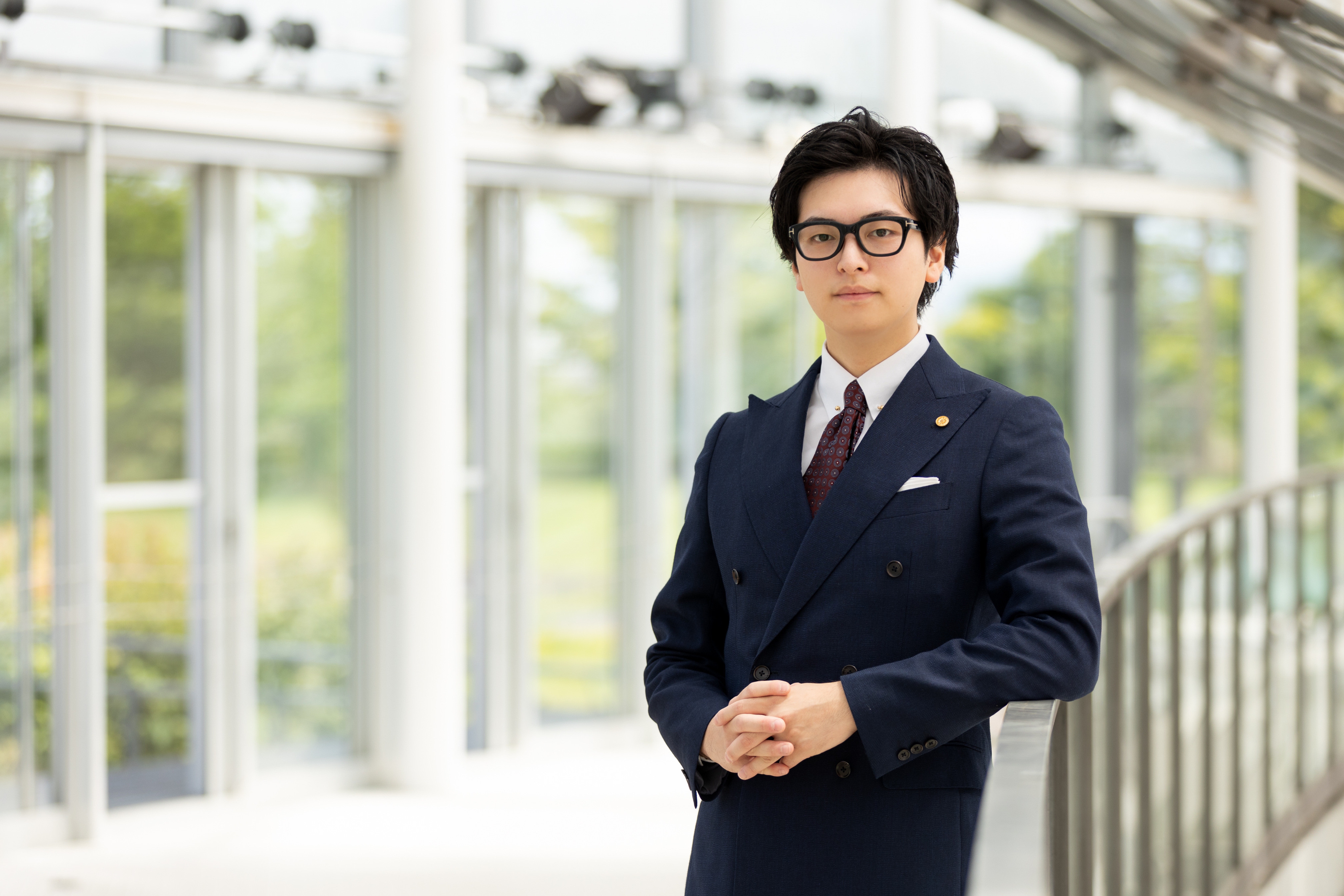
Licensed Administrative Scrivener / Immigration Application Intermediary
Sagae, Yamagata, Japan
Telephone: +81 237-86-7198
Online enquiries from across Japan and overseas.
The Immigration Services Agency decides immigration status and may ask for further documents. Japan's Agency for Cultural Affairs addresses copyright issues separately; its AI copyright guidance is not an Artist visa approval rule.
Tell us about the artistic work you actually create, how you use AI, your genuine portfolio and art-related income, and your future projects in Japan. We will review the evidence relevant to an Artist application.
9:00–18:00 JST · Artist COE / change support from ¥110,000 including tax · No approval guarantee