Arita Porcelain
Research into porcelain history, traditional forming, painting, glazing and firing methods associated with the Arita area.

JAPAN CULTURAL ACTIVITIES VISA · TRADITIONAL CERAMICS
Learn traditional Japanese pottery under a master potter, research historic kilns, or study regional ceramic traditions such as Bizen, Arita, Shigaraki and Mashiko.
For overseas ceramic artists, independent researchers, traditional craft learners, and Japanese kilns accepting international students. We help you assess whether your actual activities fit Japan's Cultural Activities status of residence and prepare the relevant immigration documents.
Professional fees only. Government fees and necessary expenses are separate. Your quotation is confirmed before engagement.
Telephone inquiries: 9:00–18:00 (Japan time) · Online inquiries accepted from Japan and overseas
UNDERSTANDING THE RESIDENCE STATUS
Japan's Cultural Activities status of residence covers certain academic or artistic activities that do not generate income, specialized research into culture or skills associated with Japan, and acquiring such skills under the guidance of experts. The immigration authorities assess each proposed activity on its actual substance.
Traditional Japanese ceramics (yakimono) may form the basis of a qualifying study or research plan, depending on the Japanese cultural content, the program and the supporting documents. The status is not granted simply because someone joins a pottery workshop or receives a letter from a studio.
Cultural Activities may be considered for eligible non-remunerative artistic study, specialized research or expert-guided acquisition of Japanese cultural skills. Professional production for sale, employment and ordinary workshop labor require separate examination.
REGIONAL TRADITIONS
Japan's regional kilns and artistic traditions can provide a meaningful subject for a structured cultural study plan. A pottery style's name alone does not determine visa eligibility.
Research into porcelain history, traditional forming, painting, glazing and firing methods associated with the Arita area.
Specialized study of unglazed stoneware, local clay, wood-fired kilns and natural surface effects.
Guided study of traditional stoneware, regional materials, shaping and kiln processes.
Study of local pottery making and the historical influence of the Japanese folk-craft movement.
Research into regional porcelain decoration, color, overglaze techniques and artistic history.
Specialized study of Seto's historic pottery production and regional ceramic techniques.
Other traditions, including Mino, Tokoname, Tamba, Hagi and Karatsu, may also be relevant to a specific research or learning plan.
TYPES OF ACTIVITY
Investigating Japanese kiln history, ceramic aesthetics, traditional methods or regional artistic heritage through a documented research plan.
Acquiring distinct Japanese ceramic skills under an appropriately experienced master, with specific objectives and regular instruction.
Artistic activity that produces no income may be relevant, subject to the applicable immigration category and the applicant's complete circumstances.
Making ceramics for a business, fulfilling orders, selling products or working as an employee is not automatically authorized by Cultural Activities.
ELIGIBILITY AND EVIDENCE
A studio may describe its arrangement as an apprenticeship, residency or unpaid training. These labels do not determine the immigration result. Duties, production targets, compensation in cash or kind, and the genuine educational content should be reviewed before applying.
DISCUSS YOUR PLAN BEFORE APPLYING
We can review the proposed master, studio, learning schedule, accommodation and any production duties and help identify the appropriate immigration procedure.
CHOOSING THE RIGHT STATUS
| Status of residence | Example of activity | Main distinction |
|---|---|---|
| Cultural Activities | Eligible non-remunerative artistic activity, cultural research or expert-guided Japanese ceramic study. | Purpose and actual activities must fit the statutory definition; work is not automatically permitted. |
| Artist | Qualifying income-generating work as a professional artist. | Professional artistic practice and income arrangements require assessment. |
| Student | Formal study at an eligible Japanese educational institution. | The institution, enrollment and educational program matter. |
| Temporary Visitor | Eligible short pottery experiences or visits. | Not a substitute for long-term residence or employment. |
| Other appropriate status | Employment or another specific permitted activity. | There is no general work permission merely because the work involves ceramics. |
On smaller screens, swipe the comparison table horizontally.
DOCUMENT PREPARATION
The Immigration Services Agency publishes different document guidance for non-remunerative academic or artistic activity and specialized research, and for acquiring Japanese cultural skills under expert guidance. Exact requirements also depend on whether you apply for a COE, change of status or extension.
A useful host document describes the traditional methods involved, who provides instruction, how often it takes place, the proposed duration and what the applicant will actually do each day. Foreign-language submissions generally require Japanese translations; immigration may request more materials.
APPLICATION PROCEDURES
Confirm the pottery tradition, host arrangement, immigration history and financial support.
Describe the research goals or traditional skills, expert guidance, timetable and period required.
Coordinate the applicant's records with the kiln or instructor's supporting materials.
An overseas applicant may need a Certificate of Eligibility (COE) followed by a visa application at the appropriate Japanese diplomatic mission. A person in Japan may require a change-of-status or extension procedure.
Immigration may ask for additional explanation or documentation before making its decision.
PERIOD OF STAY
The statutory periods are 3 years, 1 year, 6 months or 3 months. The immigration authorities determine the granted period in each case. A longer study plan does not guarantee a longer permission; an extension requires its own assessment.
TRANSPARENT FEES
| Service | Professional fee (including tax) |
|---|---|
| Certificate of Eligibility (COE) | From ¥88,000 |
| Change of status to Cultural Activities | From ¥88,000 |
| Standard extension of Cultural Activities | From ¥33,000 |
Professional fees are separate from government fees, translations, certificates, postage, transportation and other actual costs. Complex cases are individually quoted.
For applications accepted on or after October 1, 2026, fees depend on the period of stay granted and the application method. The following are examples relevant to the Cultural Activities periods of stay.
| Granted period | In-person application | Online application |
|---|---|---|
| 3 months | ¥10,000 | ¥10,000 + ¥330 payment fee |
| 6 months | ¥18,000 | ¥15,000 + ¥330 payment fee |
| 1 year | ¥33,000 | ¥27,000 + ¥330 payment fee |
| 3 years | ¥64,000 | ¥56,000 + ¥550 payment fee |
The fee is generally paid when permission is granted. Applications accepted by September 30, 2026 may follow the prior fee rules. Statutory reductions or exemptions may apply in limited circumstances. COE applications do not require an immigration application fee. See the official sources below for full conditions and payment methods.
EXAMPLES
A ceramic artist plans a documented program under a Bizen potter, focused on clay selection and wood firing. Cultural Activities may be considered depending on all conditions.
A researcher examines the history and Japanese development of Arita porcelain with an identified host and a realistic research schedule. Specialized cultural research may be relevant.
A studio expects a person to manufacture products for sale on a regular work schedule. Cultural Activities should not be assumed appropriate; a separate immigration assessment is required.
A traveler attends a brief experience while visiting Japan. Temporary Visitor may be relevant depending on the length and actual activities.
These are hypothetical illustrations, not past client results or promises of approval.
SUPPORT FROM JAPAN
Kawagoe Administrative Scrivener Office is based in Sagae, Yamagata Prefecture. We accept immigration inquiries from across Japan and overseas, including from Japanese kilns planning to welcome international cultural learners.
We can review the proposed activities, help organize the study plan, identify supporting evidence and assist with the appropriate COE, change-of-status or extension procedure under the agreed engagement.
We can help clarify acceptance letters, instructor background materials, training schedules and the distinction between cultural learning and productive work.
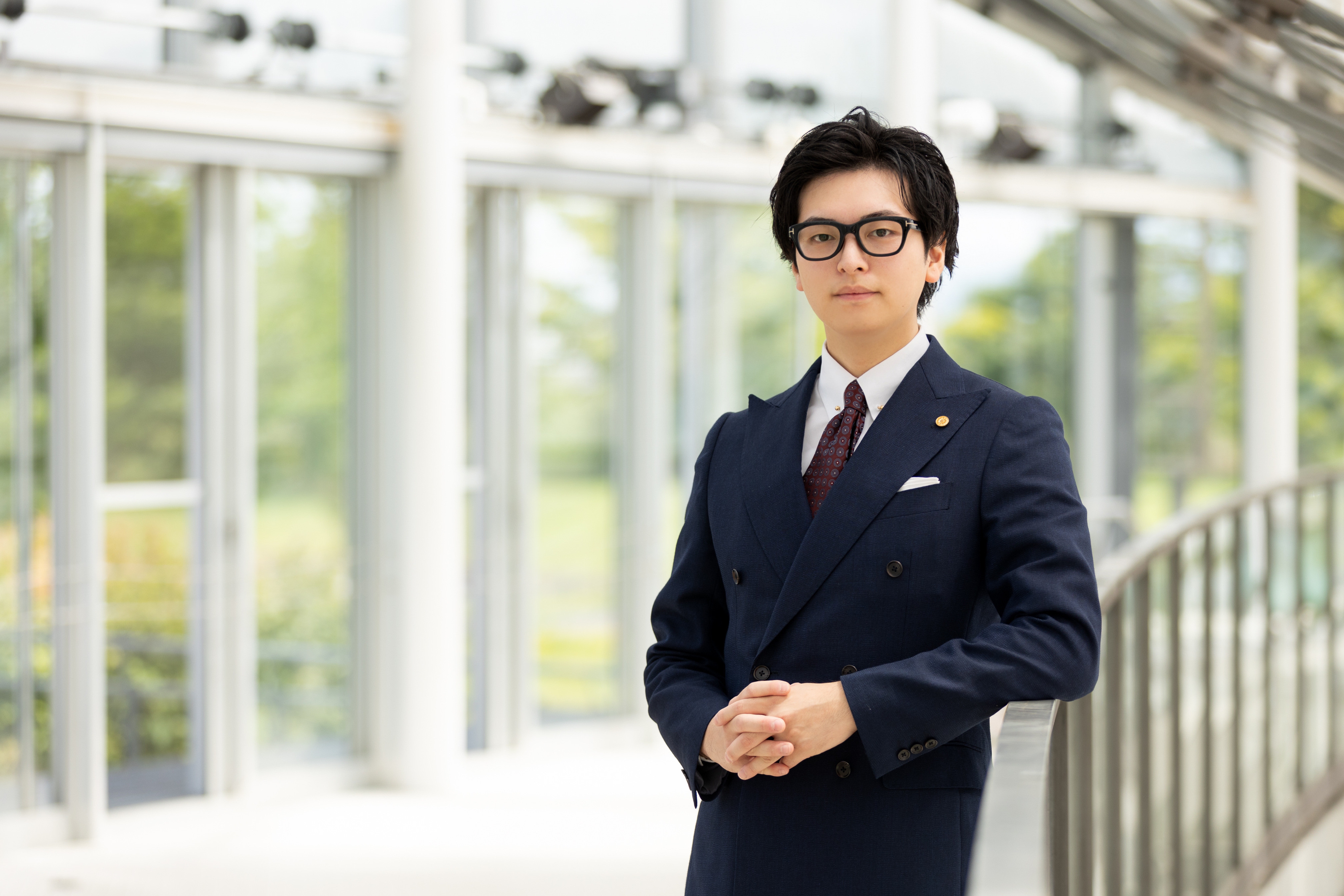
Kawagoe Administrative Scrivener Office
Immigration application assistance · Yamagata, Japan
English-language inquiries welcome.
The competent Japanese authorities decide each immigration application. Approval and the period of stay cannot be guaranteed.
FREQUENTLY ASKED QUESTIONS
No separate status is officially named a pottery visa. Depending on the facts, Cultural Activities or another status of residence may apply.
Possibly. A private kiln is not automatically excluded, but the proposed cultural activities, instructor expertise, financial arrangements and evidence must meet the applicable requirements.
Research or expert-guided acquisition involving these Japanese traditions may be relevant. The name of the tradition alone does not establish eligibility.
For an application based on acquiring Japanese cultural skills under expert guidance, evidence of the expert's qualifications and the instruction arrangements is especially important. Research cases may have different requirements.
Commercial production, even if called an apprenticeship, can raise work-related immigration issues. The actual work, compensation and educational content must be examined before relying on Cultural Activities.
Income-generating artistic activity is not automatically authorized under Cultural Activities. A person pursuing professional artistic sales may need Artist or another appropriate status.
Housing can be part of living support, but accommodation provided in return for workshop labor or other duties may raise additional issues. The arrangement should be accurately documented.
Previous experience is relevant but not the only issue. The proposed program must genuinely fit the legal activity category; a purely recreational course may not be sufficient.
There is no single figure that guarantees approval. Evidence should reasonably cover your accommodation, living costs, study expenses and intended period in Japan.
Where appropriate, an application for a Certificate of Eligibility can be made in Japan before you seek a visa at the relevant Japanese embassy or consulate.
Changes from Temporary Visitor are generally restricted. A suitable overseas application route may be needed; do not assume an in-country change is available.
The available periods are 3 years, 1 year, 6 months and 3 months. The granted period is determined by immigration authorities in the individual case.
Yes. We welcome inquiries from Japanese studios, kilns and instructors about immigration documents for overseas cultural learners.
Yes. English-language inquiries and remote consultations are available for clients in Japan and overseas.
FURTHER INFORMATION
FREE INITIAL CONSULTATION
Contact us to discuss the Japanese pottery tradition, your intended activities, the host studio or instructor, available financial support and the immigration procedure that may fit your plan.
Kawagoe Administrative Scrivener Office · Sagae, Yamagata Prefecture, Japan
Telephone inquiries: 9:00–18:00 (Japan time) · Online inquiries from Japan and overseas