
Japan Dancer & Theater Performer Visa | Entertainer COE Support
JAPAN DANCE & THEATRE IMMIGRATION SUPPORT
Japan Dancer & Theater Performer Visa | Entertainer COE Support
Planning to bring a ballet company, contemporary dance group, theatrical cast or musical performers to Japan? Kawagoe Administrative Scrivener Office assists overseas companies, artist managers and Japanese producers with immigration document preparation and Entertainer Certificate of Eligibility (COE) applications.
English inquiries welcome / Clients in Japan and overseas / Telephone 9 a.m.–6 p.m. JST
Do Dancers and Stage Actors Need an Entertainer Visa for Japan?
Foreign actors and dancers performing in a theater, dance production, musical or similar event in Japan may need the Entertainer (興行 / Kogyo) status of residence. The immigration category depends on the actual activities, contracts, Japanese organizer, venue and remuneration.
International Ballet Companies
Classical ballet companies, touring productions, guest principal dancers and ensemble members.
Contemporary Dance
Modern dance, physical theater, independent dance troupes and international dance festivals.
Theater & Musicals
Touring plays, musical theater casts, international co-productions and guest stage actors.
Performing-Arts Festivals
Multi-venue festival programs, co-presented productions and short guest engagements.
Which Entertainer Criteria Apply to a Stage Production?
Japan's Immigration Services Agency distinguishes between Criterion 1(a), 1(b) and 1(c) for qualifying theater, dance, music and related stage entertainment. The applicable criteria depend on the performance, receiving organization, venue and contractual arrangements.
| Criteria | Matters considered |
|---|---|
| 1(a) — イ | Qualifying activities under an agreement with a Japanese organization. The contracting entity's eligibility, facility and applicable document category are relevant. |
| 1(b) — ロ | Includes specified public or school performances, certain venue categories and an alternative short-stay/high-remuneration category. |
| 1(c) — ハ | For qualifying stage entertainment outside 1(a) and 1(b), subject to separate requirements for contracts, facilities and remuneration. |
One alternative under Criterion 1(b) concerns remuneration of at least ¥500,000 per day (for a troupe, the group's total amount) and a stay of no more than 30 days. This is not a universal minimum fee for dancers or theater actors.
Performers, Directors, Dance Teachers and Technical Crew
On-Stage Performers
Actors and dancers participating in professional performances are assessed by their actual stage duties and appearance contracts.
Directors and Choreographers
Stage direction and choreography may involve duties distinct from performing. The correct immigration status depends on actual activities.
Workshops and Masterclasses
Teaching dance classes, coaching or leading workshops may require a separate assessment from stage performance, including paid instruction.
Stage and Touring Crew
Lighting, sound, set design, stage management and technical roles are not automatically covered by the performers' immigration status.
Common Documents for a Theater or Dance Company COE
| Area | Typical supporting records |
|---|---|
| Each artist | COE application form, prescribed photo, passport details, professional background and performance history |
| Booking agreement | Appearance contract or consent, role, work period, remuneration and related payment arrangements |
| Japanese organization | Registration, financial records, company profile, staff information and relevant statements where required |
| Theater or venue | Venue-use agreements, drawings, photographs and any applicable licensing evidence |
| Production plan | Program synopsis, cast list, rehearsal schedule, touring itinerary and promotional materials |
Exact documents differ according to the applicable criteria, contracting entity category and application type. Foreign-language documents generally require Japanese translations. Immigration may request additional evidence.
How the Entertainer COE and Visa Process Works
Share your production plan
Tell us the cast size and nationalities, Japanese producer, theater, dates, agreements and intended performance duties.
Review criteria and documents
We assess the likely immigration route and identify records required from each performer and Japanese partner, then provide a quote.
Apply for a COE in Japan
We assist with preparation and, where authorized and agreed, the application through the appropriate Japanese immigration procedure.
Visa application overseas
After COE issuance, each performer generally applies at the appropriate Japanese embassy or consulate in their country of residence.
Enter Japan and perform
Artists undertake activities within their authorized immigration status after completing the entry process.
Professional Fees
| Service | Professional fee |
|---|---|
| Entertainer COE application | From ¥110,000 (tax included) |
| Change to Entertainer status | From ¥110,000 (tax included) |
| Extension without significant changes | From ¥44,000 (tax included) |
Group production fees depend on the number of artists, contracting entities, venues, documents and translation or travel needs. The starting fee does not cover an unlimited cast. Document acquisition, translation, postage, travel and applicable government or consular fees may be additional. Japan's immigration filing fee for a COE application is free; professional fees are separate.
Frequently Asked Questions
Do ballet dancers need an Entertainer visa to perform in Japan?
Professional ballet performances can fall under Entertainer. We review the actual activity, contracts, venue and applicable criteria before recommending a route.
Can we enter as tourists for a two-day performance?
Not automatically. The duration alone does not determine eligibility for Temporary Visitor status. Professional performance and payment arrangements need to be considered.
Are publicly funded cultural festivals exempt from visa rules?
Not automatically. Certain public or school events may fall under an Entertainer criterion, but details of the organizer, activity and contract must be documented.
Can we hold paid dance masterclasses during our tour?
Teaching or conducting workshops is not necessarily treated the same as performing on stage. We review the teaching duties, remuneration and permission required.
Does every dancer need to earn ¥500,000 per day?
No. The ¥500,000-per-day condition is part of one alternative category, not a universal requirement for every stage production.
Can you help with a whole touring company?
We accept group inquiries and coordinate shared production records. Immigration eligibility and applications must still be examined for each individual performer.
Are stage managers and lighting crew included?
Not automatically. Non-performing staff may require different immigration assessment according to their actual duties in Japan.
Do we need a Japanese organizer?
Many applications need an identifiable Japanese contracting or receiving organization and related documentation. We do not act as a nominal producer or fictitious sponsor.
How early should we contact you?
Preferably when the Japanese performances and agreements are being planned. COE, visa and travel steps all take time and no approval date is guaranteed.
Can an overseas company contact you directly in English?
Yes. We accept English inquiries through our contact form and confirm the scope of support and available application procedures for each project.
About Our Office and Official Guidance
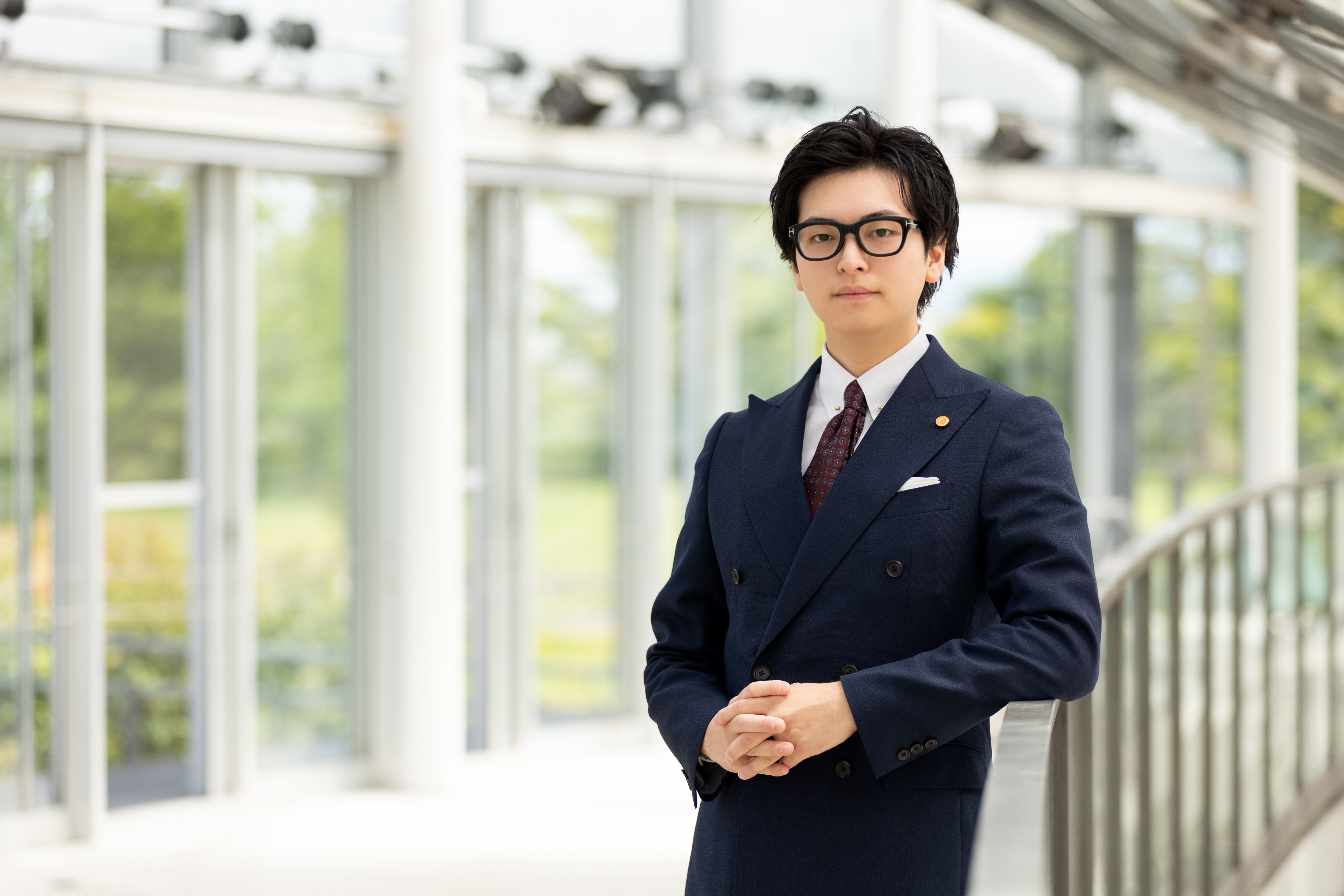
Kawagoe Administrative Scrivener Office, based in Sagae, Yamagata, accepts immigration consultations from performing-arts companies throughout Japan and overseas.
Phone +81-237-86-7198 / 9 a.m.–6 p.m. Japan time
JAPAN THEATRE, BALLET & DANCE IMMIGRATION SUPPORT
Bringing Your Dance Company or Cast to Japan?
Contact us with your production dates, number of performers, Japanese organizer, venue and contract arrangements. We can explain the relevant application requirements, documents and professional fees.
Japan-wide and overseas inquiries welcome / Phone 9 a.m.–6 p.m. JST