Keep the certificates
Match the skills exam and Japanese evidence to your intended work.

Passed your Specified Skilled Worker exam? The next step is not automatically a work visa. This guide explains how foreign candidates and Japanese employers turn official exam results into a lawful SSW Type 1 application, including required Japanese evidence, employment contracts, support plans, municipal confirmations, COE procedures and changes of status in Japan.
Match the skills exam and Japanese evidence to your intended work.
The company and your job must meet field-specific requirements.
COE overseas or change of status inside Japan, as applicable.
Published guidance checked against official information on October 28, 2026. Rules and government fees can change.
A pass result proves a skills requirement for the relevant SSW occupational field, but does not itself grant a visa, job or permission to work. The candidate and a qualified Japanese employer must check language requirements, sign an appropriate employment agreement and arrange the correct immigration filing.
Check that the certificate is valid for the exact field and tasks, plus Japanese-language proof or an exemption.
Confirm the receiving organization, appropriate compensation, field-specific conditions and lawful job duties.
Outside Japan generally follows COE, then consular visa; inside Japan generally change of status when required.
Check the organizer's result or certificate issuance procedure, which can differ by exam.
Ordinarily JFT-Basic or JLPT N4+ for Type 1; identify any industry-specific add-on or technical-intern exemption.
Confirm the company's activity, receiving-organization requirements and the actual tasks in the sector.
Sign the correct SSW contract and employment-conditions notice; wages must meet the relevant comparability rules.
Use compliant in-house support or a registered support organization, and prepare the statutory support plan.
Receiving organizations submit the prescribed cooperation confirmation to the relevant municipalities at the applicable time.
Gather individual records, company materials, field-specific council documents, health, tax and social-insurance records as applicable.
Use the legally appropriate procedure. For overseas hires, COE is followed by consular visa steps; for residents, obtain the required change before unauthorized work.
Send your field, test result, Japanese-language proof and employer name. We can review the immigration paperwork and Type 1 support needs.
Ask About SSW Immigration Support| Document category | Examples / point to check |
|---|---|
| Identity | Passport, prescribed photo and residence card if already in Japan. |
| Skill qualification | Official result and any required certificate, matching the SSW field and work category. |
| Japanese-language ability | JFT-Basic, JLPT N4+ or applicable recognized exemption; some fields have stronger requirements. |
| Medical | Individual health examination certificate when required. |
| Tax / pension / insurance | Applicable tax, pension and health-insurance records, especially for in-Japan status changes. |
| Current status and work history | Residence status, Technical Intern Training completion documents and work records if relying on an exemption. |
| Official forms / translations | Current forms, properly translated documents and prescribed annexes. |
| Situation | Procedure and important distinction |
|---|---|
| Applicant lives overseas | Japan-side COE application through a qualified receiving arrangement, then consular visa application and landing permission as applicable. |
| International student in Japan | Apply to change to SSW before starting work beyond the present status; examine graduation, current Student status and lawful timing. |
| Technical Intern Training (ii) completed satisfactorily | Check the applicable skills and Japanese-test exemptions and whether occupational duties match. |
| Current SSW Type 1 changes employer or field | A new receiving organization requires an appropriate change-of-status procedure; changing fields also requires checking the relevant qualifications. |
| Application pending | Submitting an application alone does not authorize new tasks contrary to the current residence status. |
Since April 1, 2025, SSW receiving organizations have been required to submit a prescribed cooperation confirmation to the municipality of the business workplace and of the worker's residence, at the timing set out in the Immigration Services Agency Q&A.
For a first-time receiving organization, this is generally after signing the SSW employment contract and before the initial COE or change-of-status application. An organization already accepting SSW workers must check whether its first relevant application after the new rules triggered the obligation.
The organization should also reflect local coexistence initiatives when preparing its Type 1 support plan.
SSW Type 1 employers must arrange legally required support for foreign workers. They can carry out compliant support themselves or outsource it to a registered support organization under the statutory arrangements.
Employment, immigration eligibility, wage conditions, records and statutory notifications remain important.
Choose qualified internal staff or a registered support organization for required Type 1 assistance.
A registered support organization, 25登-012295, with separate immigration-document and support engagements.
| Mandatory support | Typical duty |
|---|---|
| 1. Advance guidance | Explain employment terms, immigration matters and prohibited security deposits before COE or status-change filing. |
| 2. Airport transfer | Provide required arrival and departure transport assistance. |
| 3. Housing and essential contracts | Help obtain housing and arrange bank, phone and utility services. |
| 4. Living orientation | Explain Japanese rules, emergency access, healthcare and daily life. |
| 5. Public procedures | Accompany the worker for necessary local-government, tax and social-insurance procedures. |
| 6. Japanese learning | Provide information on language-learning opportunities. |
| 7. Consultation and complaints | Respond in a language understood by the worker. |
| 8. Community engagement | Support interactions and local events with Japanese residents. |
| 9. Job change when dismissal is not the worker's fault | Give legally required assistance with finding new employment. |
| 10. Regular interviews | Interview the worker and supervisor at least once every three months; report violations when required. |
| Industry / situation | Additional checks |
|---|---|
| Caregiving | In addition to ordinary Japanese-level proof, the Caregiving Japanese Language Evaluation Test and other qualifying conditions can apply. |
| Construction | Construction-specific accepting plans, industry systems and documentation need review. |
| Automobile transport | Driving licences, qualifications and higher language requirements may apply depending on the activity and current rules. |
| Accommodation | Hotel or ryokan permit, sector council membership, direct employment and the skill-exam certificate process. |
| Food services / manufacturing | Confirm exact occupational category, exam provider and current sector-specific receiving restrictions. |
The exam result or Japanese proof is incomplete, not valid under provider rules, or for a different sector.
The receiving organization lacks the required license, field registration or suitable support capacity.
A candidate holds Student, Temporary Visitor or another status that does not permit the planned new work.
Other issues can include wage comparability, inaccurate previous employment records, required national procedures, missing health documents and public-payment compliance records. Avoid arrangements requiring unlawful recruitment deposits or penalty clauses.
No. The skills test is separate from an eligible employer contract, Japanese qualification and the necessary immigration permission.
A qualifying SSW employment contract with an eligible receiving organization is generally needed for the residence application.
Usually JFT-Basic or JLPT N4+ for Type 1, except lawful exemptions or sector-specific alternatives; certain sectors require higher or additional qualifications.
For many Type 1 fields, yes. Check the sector and specific work category.
No. JFT-Basic tests Japanese language; the field-specific skills exam assesses occupational abilities.
An exemption may apply. Skills-test exemption depends on recognized occupational relevance; Japanese-test exemption follows the applicable rules.
Potentially, after meeting the individual and company requirements and receiving an appropriate change of status.
Do not assume so. Temporary Visitor generally does not allow paid SSW work. Check the proper lawful entry and status procedure.
A Certificate of Eligibility supports the normal overseas long-term entry process; it does not itself guarantee visa issuance or admission.
SSW pay must be equivalent to or higher than for comparable Japanese workers under the applicable rules.
SSW Type 1 requires an appropriate support plan and its implementation by the receiving organization itself or under a lawful registered-support-organization arrangement. SSW Type 2 has separate rules.
Not always. An eligible employer can provide compliant Type 1 support in-house or outsource it to a registered support organization.
The receiving organization does so to the relevant municipality under the Immigration Services Agency rules, usually before the initial applicable filing.
Not automatically. The skills standard must match the intended occupational field.
SSW full-time work is based on the relevant qualifying receiving organization and contract; simultaneous multiple-company work is not the ordinary authorized arrangement.
Accommodation employers need the required hotel or ryokan business permission, sector council compliance and proper SSW work arrangements.
No. Exam organizers charge their own fees. Our immigration and Type 1 support services are separately quoted.
Type 1 generally does not offer ordinary family accompaniment; Type 2 has different provisions.
We accept overseas enquiries, subject to the applicant, employer, documents and Japan-side filing arrangement.
No. The competent immigration and consular authorities make their decisions independently.
For applications received on or after October 1, 2026, approval for one year costs ¥33,000 at an immigration counter or ¥27,000 online, plus an online processing charge of ¥330 (total ¥27,330). This is separate from our professional fee.
Yes. The receiving organization must bear expenses for mandatory support items and cannot transfer these expenses to the worker.
The workplace municipality and the municipality of the worker's residence. If both are the same, one submission may suffice. Check prior submissions and any changes before filing.
The official SSW filing checklists divide evidence into applicant documents, receiving-organization documents and sector-specific documents. Depending on the employer category and prior filings, a document can be omitted under an official rule.
| Service | Professional fee (including tax) | Notes |
|---|---|---|
| SSW COE / change-of-status application | From ¥110,000 | Government fees, translations, document costs and disbursements additional as applicable. |
| Additional employee in the same simultaneous application | From ¥55,000 each | Conditions and case grouping must be confirmed. |
| Registered support organization: Type 1 support | From ¥22,000 per person per month | Separate engagement; actual scope and field requirements are checked. |
| Multiple applicants and unusual documents | Individual quotation | A written scope and fee estimate are provided before paid engagement. |
| Municipal cooperation confirmation, separately commissioned | From ¥11,000 per municipality | Additional municipality from ¥5,500; subject to written quotation. |
Test fees are paid to the authorized testing provider and are not included in our immigration professional fee. A COE application itself ordinarily has no government filing charge. No examination or immigration outcome can be guaranteed.
A Certificate of Eligibility (COE) application is free of an immigration application fee. For a change of residence status or extension application received on or after October 1, 2026, the fee on approval now depends on the period actually granted and whether the application was submitted at a counter or online. Our professional fee is separate.
| Period granted | At immigration counter | Online fee + processing |
|---|---|---|
| Up to 3 months | ¥10,000 | ¥10,000 + ¥330 |
| More than 3 up to 6 months | ¥18,000 | ¥15,000 + ¥330 |
| More than 6 months and under 1 year | ¥25,000 | ¥21,000 + ¥330 |
| 1 year | ¥33,000 | ¥27,000 + ¥330 = ¥27,330 |
| More than 1 year and under 3 years | ¥48,000 | ¥42,000 + ¥330 |
| 3 years and under 5 years | ¥64,000 | ¥56,000 + ¥550 |
Online applicants now pay through approved convenience-store or bank payment arrangements after receiving a separate payment instruction; credit cards and QR payments are not offered under the announced procedure. Counter applicants use revenue stamps. Applications received by September 30, 2026 remain subject to the previous fees (¥6,000 at counter / ¥5,500 online), even if decided later. Check the exact period and payment notice before paying.
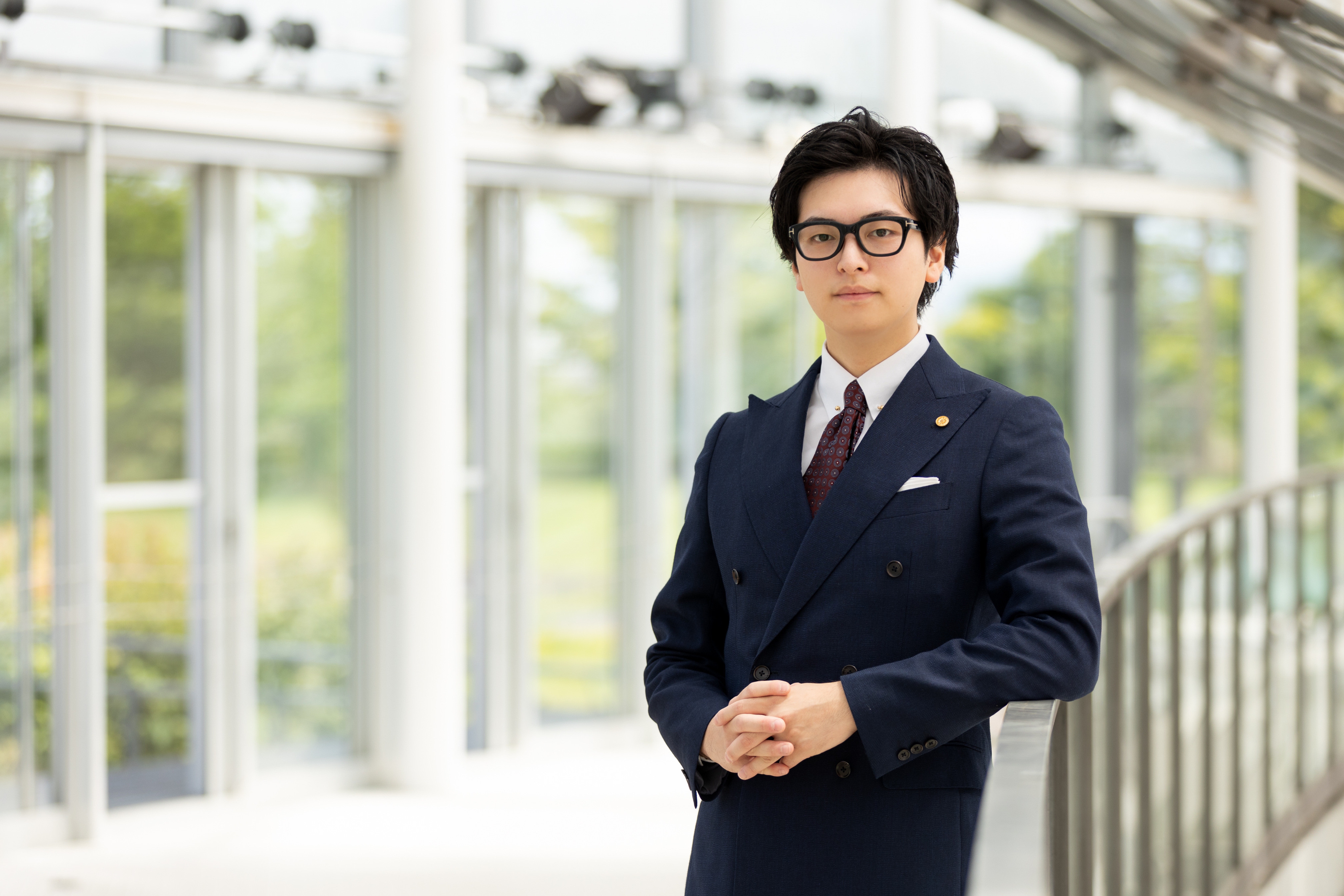
Our office in Sagae, Yamagata helps foreign workers and Japanese employers with the appropriate SSW residence procedure. We are a registered support organization (registration 25登-012295) and an immigration application intermediary. Exam registration and immigration filing are distinct processes.
Sagae, Yamagata, Japan
Registration: 25登-012295
Telephone +81 237-86-7198 (9:00–18:00 JST)
Always check the current instructions of the Immigration Services Agency and the relevant industry's authorities, especially immediately before filing.
Tell us your nationality, current country and residence status, SSW field, language and skills results, intended employer and previous Technical Intern Training history. We can review the immigration requirements, employer documents and scope of professional assistance.
Support from Yamagata and online · Registered Support Organization 25登-012295 · No approval guarantee