
Japan Work Visa Without a Degree | 10-Year & 3-Year Experience
JAPAN WORK VISA / EXPERIENCE-BASED ELIGIBILITY
Japan Work Visa Without a University Degree: 10-Year & 3-Year Experience Rules
Do you want to work in Japan but do not have a university degree? You may still qualify for Japan's Engineer / Specialist in Humanities / International Services residence status (often called Gijinkoku or a work visa). Depending on your actual job, relevant professional experience of 10 years or 3 years may provide a qualifying route. Our office helps you and your prospective Japanese employer review your work history and prepare immigration documents.
Kawagoe Administrative Scrivener Office · Yamagata, Japan · Telephone 9:00–18:00 JST · Clients across Japan and overseas
Check the right rule
Find out whether your proposed role falls under the 10-year professional knowledge route or the 3-year international services route.
Document your career
Review experience from one or several employers, including work completed outside Japan and older employment records.
Prepare for a Japanese job
Identify what your prospective employer must document and whether a COE or Change of Status application is appropriate.
Can you get a Japan work visa without a degree?
Yes, in some cases. A university degree is not an absolute requirement for every Engineer / Specialist in Humanities / International Services application. The alternative depends on the type of work you will actually perform in Japan and whether you can establish the relevant experience or another recognized qualification.
| Route | General eligibility approach | Typical questions |
|---|---|---|
| Technical / humanities professional work | Generally 10 or more years of relevant practical experience, including certain qualifying study periods where permitted. | What specialized knowledge will you use? Which prior jobs relate to the role? |
| International services | Generally 3 or more years of experience in related international-services work. | Does the role genuinely require knowledge or sensitivity rooted in a foreign culture? |
| Specified IT examination / qualification exception | For eligible information-technology roles, passing a test or holding a qualification designated by the Minister of Justice may provide an alternative to the normal academic/experience requirement. | Is your particular examination on the official designated list? |
| Eligible Japanese professional education | Certain graduates of qualifying Japanese specialized training college programs with the appropriate recognized title may meet a separate educational route without a university degree. | Was your course in Japan? Do you hold the required academic designation? |
The Japanese role must fall within the permitted professional activities, your experience must be relevant, and the contract, salary and Japanese receiving organization must meet the applicable requirements.
Route 1: The 10-year work experience requirement
For work requiring specialized knowledge or skills in the natural sciences or humanities, an applicant who does not use the qualifying education route can generally rely on at least 10 years of relevant professional experience. This may include work involving engineering, system development, technical design, accounting, planning or similar professional knowledge, depending on the duties.
It is relevant work, not simply any work
Immigration examines how your previous responsibilities connect to the professional position you will hold in Japan. Ten years of unrelated work does not necessarily meet the standard.
The experience need not be one identical job
Related professional activities can potentially be considered. A change in employer, job title or company does not automatically prevent relevant periods from being counted.
Some periods spent studying relevant subjects at eligible educational institutions may count toward the required experience period, when supported by proper documents. This does not mean all years of ordinary school attendance automatically count. We examine the institution, curriculum, dates and relationship to your proposed work.
Route 2: The 3-year international services requirement
A different standard applies when the proposed role genuinely requires ways of thinking or sensitivity based on a foreign culture. The relevant international-services activities include translation, interpretation, language instruction, public relations, advertising, overseas transactions, certain types of design and product development, and similar work.
| Example of proposed role | What should be established? |
|---|---|
| Interpreter or translator | Actual interpreting / translating duties, relevant professional history and the proposed employment arrangement. |
| Foreign-language instructor at a private company | Genuine language-teaching duties and relevant teaching experience. |
| International sales or overseas trade | Relevant cross-border commercial responsibilities that require foreign-cultural expertise, not simply a general sales title. |
| Advertising / public relations / culturally based design | Specific work linked to foreign-cultural understanding and supporting evidence from previous roles. |
For applicants relying on this route, the general practical-experience requirement is 3 years in related work. There is a separate exemption from that three-year experience requirement for university graduates undertaking translation, interpretation or language instruction; that exemption does not generally help someone without a university degree.
Ordinary clerical duties, general customer service, factory work or work that does not involve the qualifying professional activities cannot simply be relabeled “international services.” The factual duties determine which standard applies.
How to prove work experience to Japan immigration
For an experience-based application, detailed evidence from previous employers is particularly important. A resume or personal statement can help explain your career, but it is not normally a substitute for independent records verifying when, where and what you did.
What an employment certificate should show
Useful supporting evidence
Documents submitted in a language other than Japanese generally need a Japanese translation. The immigration authority may also request additional records or clarification about previous employers.
What if you worked for several companies—or a former employer has closed?
You do not necessarily need ten years at one company. For example, relevant periods at three different employers can be reviewed together. However, each period, its dates and duties must be established, and unrelated or overlapping periods cannot simply be added without analysis.
Several employers in different countries
Prepare a clear chronological list showing company names, countries, employment periods and work performed. We compare the records against the Japanese job description and examine any missing or inconsistent dates.
Your previous company has shut down
A closed business makes evidence gathering harder, but does not automatically end the possibility of an application. Former employment agreements, official records, payroll or tax documents and other credible records may assist. The adequacy of evidence must be reviewed individually.
If documents are missing, explain the situation and look for authentic alternatives. False evidence can seriously damage an immigration application.
What if you have only 8 or 9 years of experience?
We first identify which eligibility route applies to the proposed job. You may have overlooked qualifying periods of related education or earlier relevant work. In eligible IT roles, a specifically designated examination or qualification may provide another route.
| Your situation | What to review |
|---|---|
| 9 years of technical professional work | Whether eligible periods of relevant study or additional documented professional work can legitimately be counted. |
| 4 years of translation or overseas trade work | Whether the genuine role falls within international services and the related experience meets the applicable three-year standard. |
| Software engineer with a recognized IT examination | Whether the exact examination or certificate is designated under the Japanese immigration exception. |
| Graduate of a Japanese professional training college | Whether the recognized title and relevant curriculum support an educational route under the rules. |
| Less than the required experience and no other applicable exception | The proposed Gijinkoku application may not meet the landing criteria; consider whether a different lawful residence category is relevant. |
Short private courses, online certificates, portfolios and self-declared experience can demonstrate skills, but do not automatically replace a statutory education, experience or designated-examination requirement.
Your Japanese job offer and employer matter too
Even when your employment history appears sufficient, the Japanese position must involve eligible professional activities under a qualifying contract with a public or private institution in Japan. Immigration examines the actual responsibilities and whether the remuneration is at least equivalent to what a Japanese national would receive for comparable work.
You can request an initial assessment of your education, experience and possible occupational route. However, a normal work-related COE application requires the proposed activities and receiving/employment arrangement to be established. Our office cannot create a sponsoring employer or guarantee you a job in Japan.
New document rules for certain applications in 2026
For Engineer / Specialist in Humanities / International Services, the Immigration Services Agency added requirements for certain applications involving Category 3 or 4 receiving organizations from 15 April 2026. These include a declaration concerning the representative of the receiving institution.
Where the applicant will mainly perform customer-facing or similar work using language ability, evidence of CEFR B2-equivalent proficiency in the language used for the work may also be required in covered applications. For Japanese, JLPT N2 or higher is one accepted form of evidence, but the rule is not a universal JLPT N2 condition for every Gijinkoku applicant. The precise documents and exceptions depend on the applicant, job and filing type.
The employer's immigration category and current official checklist determine which standard documents are required. Additional evidence can be requested during review.
Applying from overseas or changing status in Japan
| Your current situation | Usual procedure to consider | Important point |
|---|---|---|
| Outside Japan with a qualifying job offer | Certificate of Eligibility (COE) application, then an entry visa application as applicable | The Japanese employment/receiving arrangement and lawful COE filing route must be confirmed. |
| In Japan as a student or under another status | Change of Status of Residence, where applicable | Do not begin work outside your current permitted activities before obtaining required permission. |
| Already holding Gijinkoku and changing employers | Check whether new duties remain permitted, institution notifications and any applicable renewal or other procedure | Changing employers does not automatically require a new status-change application in every case; notifications can be time-sensitive. |
| Residence expiry approaching | Individual assessment of filing deadlines and appropriate procedure | Do not assume an approaching expiry allows you to work without the necessary permission. |
The residence period for this status may be 5 years, 3 years, 1 year or 3 months, as determined by immigration. A COE does not itself guarantee the issue of an entry visa or permission to land in Japan.
How we help you prepare your application
01. Tell us about your background
Provide your nationality, current country/residence status, education, job history, proposed occupation and whether you already have an offer from Japan.
02. Identify the possible eligibility route
We review whether the 10-year, 3-year, Japanese professional-education or designated IT examination route may apply to your actual duties.
03. Review evidence from previous employers
We identify gaps in dates, unclear job descriptions, closed companies, qualifying study periods and translation needs.
04. Coordinate the Japanese employment documents
When an eligible job offer exists, we review the contract, salary, role and required organization documents with the relevant parties.
05. Prepare the appropriate immigration filing
Within the agreed scope, we prepare documents and support the COE or residence application where submission through our office is legally available. Immigration makes the final decision.
Professional fees for Gijinkoku applications
| Service | Professional fee (tax included) |
|---|---|
| Certificate of Eligibility (COE) application — overseas hire | From ¥110,000 |
| Change of Status of Residence to Gijinkoku | From ¥110,000 |
| Standard extension, with no employer change | From ¥44,000 |
| Extension after changing employers or requiring substantial extra work | From ¥110,000, subject to quotation |
| Initial consultation and estimate | Free |
Fees are those of Kawagoe Administrative Scrivener Office. The final quotation depends on the number of former employers, missing records, translations, document retrieval, explanatory statements and other work involved. Government permission fees, consular fees, postage and third-party expenses are separate where applicable. A COE application itself has no Japanese immigration filing fee.
Frequently asked questions
Can I get a Japanese work visa if I only graduated from high school?
Possibly. For qualifying technical or humanities work, the relevant 10-year experience route may be available. International services has a different standard. Your education level alone does not decide the outcome.
Do I need 10 years at the same company?
No. Related professional experience at multiple employers may be considered, provided the dates, duties and relevance can be established with credible records.
Does experience outside Japan count?
Relevant overseas employment can be considered. Employment certificates and supporting evidence should explain the role and periods accurately, and documents in foreign languages generally require Japanese translation.
Can I use 3 years of work experience instead of 10?
Only if the proposed work genuinely qualifies for the international-services route or another relevant exception applies. Three years is not a general rule for all engineers or business professionals.
I have 9 years of experience. Is that enough?
Not necessarily for a job subject to the 10-year route. We may check qualifying education periods, earlier relevant work or an applicable designated IT examination, but none can be assumed without evidence.
Can relevant high school or technical school study count toward 10 years?
In certain circumstances, documented periods studying relevant subjects at eligible institutions may count. The course, level, subject and dates must be verified. General school attendance does not automatically count.
What if my previous employer is no longer operating?
It may still be possible to assemble authentic alternative evidence. We review contracts, official employment records, salary/tax documents or other credible proof, but cannot guarantee the evidence will satisfy immigration.
Can freelance or self-employed experience count?
The facts need individual examination. We look at whether the work was relevant, its actual duration, the business or client arrangements and reliable documentation. An unsupported statement of years worked is not enough.
Does an online IT certificate replace a university degree?
Not automatically. The immigration exception is limited to specific examinations or qualifications designated under the applicable Japanese rules, rather than every commercial IT certificate.
Is JLPT N2 required for everyone applying for Gijinkoku?
No. Certain covered applications involving Category 3 or 4 organizations and work mainly using language ability in interpersonal duties may require CEFR B2-equivalent evidence. It is not a universal N2 requirement for all professional roles.
Can I apply before receiving a job offer?
We can conduct an initial background review before an offer. However, the ordinary work-status COE or change application needs an established qualifying activity and contractual/receiving arrangement.
Can I work in a factory, warehouse or restaurant on this status?
Routine production-line, packing, cleaning or restaurant service activities are not generally covered merely because the company hires you. The actual professional duties must qualify; other residence categories may apply to other types of work.
What if I already work in Japan and want to change employers?
We review your current residence status, the new position's duties, and applicable institution notifications and procedures. Keep your job-change dates and residence expiration in mind.
Will 10 years of work experience guarantee approval?
No. Immigration reviews the connection to the Japanese job, the proposed duties, contract, remuneration, employer and supporting documentation. An applicant can satisfy a time threshold but fail another requirement.
Can I contact your office in English from overseas?
Yes. Please describe your experience, occupation, current country, education, proposed Japanese role and whether an employer has made an offer. We will explain the next documents to check.
Related guides and official information
The official immigration information is primarily provided in Japanese. Requirements and supporting documents should be checked for the actual application type and employer category.
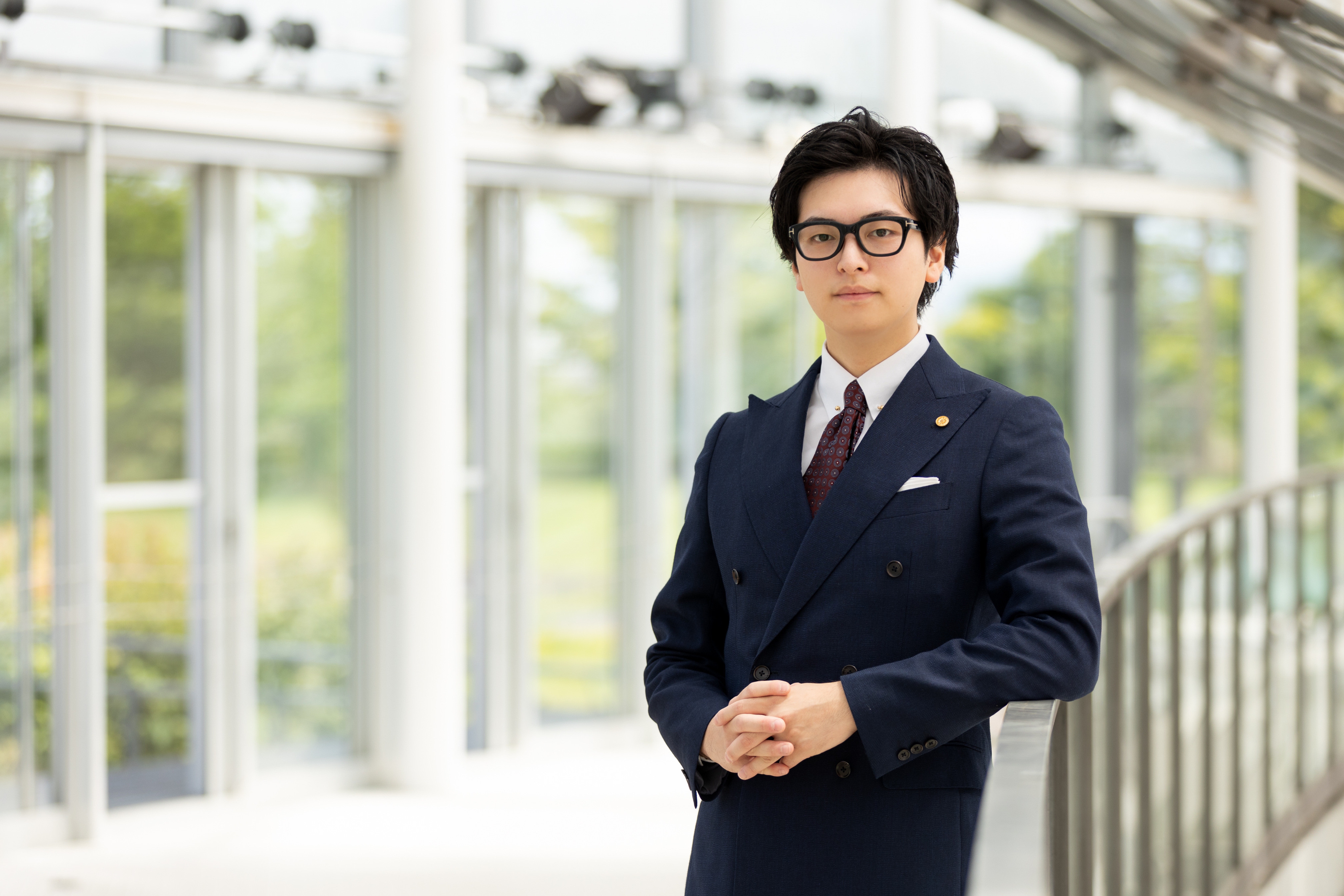
Kawagoe Administrative Scrivener Office
Our office is based in Sagae, Yamagata Prefecture. We assist foreign nationals and Japanese receiving organizations with immigration application documents, including cases involving work experience rather than a university degree.
English enquiries welcome · Remote consultation available where appropriate
ENGLISH IMMIGRATION CONSULTATION
No university degree? Find out whether your work experience may qualify.
Tell us your nationality, current location or residence status, highest completed education, previous employers, exact years of professional experience, and the kind of work you want to do in Japan. If you already have a job offer, include the employer and proposed job duties. We will explain the possible requirements, documentation and service fees.
Kawagoe Administrative Scrivener Office · Sagae, Yamagata, Japan · Phone 9:00–18:00 JST · Nationwide and overseas enquiries · Approval is determined by Japan's immigration authorities.