Find the correct exam
Match the industry and job category to an officially accepted test. Not every field uses the same exam.

Planning to work in Japan under the Specified Skilled Worker (SSW / Tokutei Ginou) system? Learn how to find your field's skills test, choose between JFT-Basic and JLPT, register for a Prometric ID where applicable, check available test dates, pay the correct examination fee and prepare for the next step after passing.
Information checked: October 28, 2026. Examination places, booking windows and fees change. Always confirm live availability with the organizer before paying.
Match the industry and job category to an officially accepted test. Not every field uses the same exam.
Check dates and country rules, create the appropriate account, verify ID and pay through the official provider.
Keep official score evidence for recruitment and later residence-status procedures.
Under the ordinary Specified Skilled Worker (i) test route, an applicant generally needs both (1) a skills test for the intended industry and (2) evidence of the required Japanese-language ability. The usual language route is the Japan Foundation Test for Basic Japanese (JFT-Basic) or Japanese-Language Proficiency Test (JLPT) N4 or above. Some fields set higher or additional language requirements.
| Requirement | Usual route | Important exception |
|---|---|---|
| Industry skills | Pass the correct SSW (i) skills test for your intended field and work category. | Qualifying completion of Technical Intern Training (ii) can exempt certain tests when the work is related. |
| Japanese language | JFT-Basic or JLPT N4 or higher for most Type 1 fields. | Taxi/bus driving and certain railway operation duties require JLPT N3 or above. Check other field-specific rules. |
| Nursing care | Skills test and common Japanese-language requirement. | Generally also the Nursing Care Japanese Language Evaluation Test, unless an applicable exemption applies. |
| SSW Type 2 | Advanced, field-specific skills assessment and often documented practical experience. | Requirements differ by field; a Type 1 certificate alone is not an automatic Type 2 qualification. |
The Immigration Services Agency publishes an English-language SSW exam information page listing tests, countries and dates. Follow the link for the relevant field to the actual examination organization. The organization’s own notice can be more recent than a government summary.
| Industry example | What to check before registering |
|---|---|
| Accommodation (hotels and ryokan) | Accommodation Industry Proficiency Test (i), country, test language, venue and dates. Type 2 uses a different test. |
| Food service | Food Service Industry SSW test, booking method, eligible applicants and available countries. |
| Agriculture | Agriculture Skill Assessment Test Level 1 for Type 1, including applicable work categories. |
| Nursing care | Care skills, care-specific Japanese test and common Japanese-language evidence. |
| Construction | Construction field skills test and any field-specific requirements for receiving organizations. |
| Manufacturing / automotive maintenance | Correct industrial field and category; not every mechanical or factory job belongs to the same test. |
| Newly added industries | A field's inclusion in the system does not mean that its exam, recruitment and residence applications are already open. |
Many SSW skills examinations and JFT-Basic sessions use Prometric computer-based testing. Other examinations, notably JLPT, use their own application systems. These are the usual Prometric steps; the exact screens and permitted payment methods vary by exam and country.
Open the official Prometric SSW website. Confirm that your exam is offered in your country and that its booking window has opened.
Use the exam-specific ID link. Register your email, account details and required identity information. Keep the ID and password safely.
Enter passport information exactly as instructed, including the machine-readable zone where required. Certain countries or candidates have specific ID rules.
Choose the correct field, exam level and test language. Check nationality, date of birth and other personal data carefully.
Search by date, test center and time, then select a slot actually shown as available. A calendar marker alone is not proof of a vacant seat.
Use a payment option offered for your country. Finish the reservation, save the confirmation letter and read the venue instructions.
Bring the original required identity document and arrive according to the organizer's instructions. Confirm prohibited items and test-center rules.
Check how your exam releases results, then save the official score report or certificate for job interviews and immigration documents.
There is no single nationwide SSW exam date for all fields. Schedules vary according to field, country, reservation opening date, center availability and examination organizer. The government’s exam schedule page is a useful starting point, while the booking operator confirms actual seats.
Check the field-specific Japanese test window and the real test-center seat list before choosing a city or date.
Verify that your country offers your exact skills exam; JFT-Basic availability does not imply every industry exam is offered there.
The booking period can begin well before the test. Confirm the exact opening and closing rules for that session.
There is no single SSW exam fee. Costs depend on the skills field, exam level and country where the test is taken. The figures below are officially published Japan-based prices checked on October 28, 2026, provided as examples rather than guaranteed future prices.
| Examination | Fee in Japan | Official source |
|---|---|---|
| JFT-Basic | ¥10,000 | Prometric examination fees by country |
| Accommodation Industry Proficiency Test (i) | ¥7,700 | Prometric examination fees by country |
| Agriculture Skill Assessment Test Level 1 | ¥8,000 | Prometric examination fees by country |
| Nursing Care SSW Evaluation Test (Skills / Japanese) | ¥2,000 (listed examination charge) | Prometric: check the specific examination selection and booking details |
| JLPT in Japan | ¥7,500 (2026 fee) | JEES / JLPT application instructions |
| Question | JFT-Basic | JLPT |
|---|---|---|
| Used for standard SSW (i) Japanese requirement? | Yes, for most relevant fields. | Generally N4 or above for most fields. |
| Booking system | Prometric registration and computer-based testing. | JLPT-specific application system; differs between Japan and overseas. |
| Dates | Multiple CBT sessions in participating countries and periods. | Scheduled test days depending on country; not the same format as JFT-Basic. |
| Field exceptions | Not sufficient by itself where a higher or additional language standard is prescribed. | For example, taxi/bus and railway train-operation work require N3 or higher. |
| Nursing care | Common Japanese requirement may be met, but care-specific Japanese testing may still be necessary. | JLPT N4 or higher can meet the common requirement, but a separate care-language test may be required. |
Both options can be appropriate, but the chosen test must match the exact employment field and applicable exemptions. Where a field requires JLPT N3 or higher, do not assume JFT-Basic is a universal substitute.
Not everyone must take both tests. Someone who satisfactorily completed Technical Intern Training (ii) may satisfy certain common Japanese-language requirements without a new language test. A skills-test exemption requires a sufficient relationship between the prior training occupation/work and the SSW field and job category.
| Background | General approach |
|---|---|
| Qualifying Technical Intern Training (ii), related work | Exemption from common Japanese and relevant skills testing may be possible, subject to the official matching rules. |
| Qualifying Technical Intern Training (ii), different field | Common Japanese-test exemption may apply, but a skills exam for the new field is generally needed. |
| Nursing-care field | Separate nursing-care language/exemption rules must be considered, especially when earlier training was outside nursing care. |
| Student, worker or applicant with no applicable exemption | Check the regular skills and Japanese language examination routes. |
Collect certificates proving completion and exact training occupation/work. An employer's unsupported statement that someone “has experience” is not enough to establish a statutory exemption.
An examination result demonstrates a specific skills or Japanese-language level. It does not itself grant permission to enter Japan or work. The next steps ordinarily require a genuine job offer, appropriate employment conditions, a compliant accepting organization and the correct immigration procedure.
Download or obtain the authentic results, matching the name and identity on your application.
Confirm the duties match the tested field, the employer is eligible and the salary meets the applicable standard.
For Type 1, the accepting organization must have an appropriate support plan and implementation arrangements, including possible registered-support-organization involvement.
For an overseas worker, usually a Certificate of Eligibility route; for an eligible person already in Japan, a change of status may be required.
Our office assists employers and applicants with examination/exemption checks, COE and status-change documents, field requirements and Type 1 support arrangements.
Ask About the Next Immigration StepIdentify the relevant field, basic examination requirements and whether the applicant may qualify for a test exemption.
Review test evidence, Japanese employment plans and what documents are needed for immigration applications.
Prepare COE/change applications, help with the support plan and discuss registered support services separately.
Usually yes, under the ordinary examination route. Certain applicants, such as qualifying Technical Intern Training (ii) completers, may have exemptions. Some industries also require extra Japanese-language evidence.
Use the Immigration Services Agency's official test schedule, then confirm the examination organizer's current test dates and live booking availability.
No. Many SSW tests and JFT-Basic are available through Prometric, but the provider differs by test. JLPT has its own application process.
Open the exam's dedicated Prometric page, choose ID creation, register an email and identification information, and retain the ID sent after registration. Follow the current official prompts.
Some exams are offered in these countries, but not every field or session. Check the exact exam/country combination on the organizer's website.
Eligibility depends on the examination rules, immigration position and identity requirements. Do not assume all short-term visitors can sit every test. Taking a test also does not authorize employment.
They have different formats and purposes. The ordinary SSW (i) system accepts either where the field permits; choose based on official requirements, availability and your preparedness.
Yes, higher JLPT levels satisfy a general N4-or-above requirement. Some specific duties require N3 or above, so verify the precise standard.
The official SSW guidance specifies JLPT N3 or higher for taxi and bus driving and certain train-operation duties. Other requirements, including licences and training, are separate.
Generally, the Nursing Care Japanese Language Evaluation Test is required in addition to the common Japanese requirement and care skills test, subject to specific exemptions.
Prometric lists ¥7,700 for the Accommodation Industry Proficiency Test (i) in Japan as checked October 28, 2026. Check the current official price before payment.
Prometric's Japan fee table lists ¥10,000 as checked October 28, 2026. Overseas prices are in local currencies and differ by country.
Many covered SSW examinations do not allow cancellation or a refund after booking. Limited changes may be permitted before a deadline if seats are available. Read your specific exam's rules first.
No. A marked exam date may simply indicate a test session. The actual booking screen determines whether seats remain.
Follow your confirmation letter and the organizer's instructions. An original, acceptable identity document is essential; some countries and tests specify different permitted IDs.
Result timing and the official certificate format depend on the examination. Check the dedicated result instructions and retain the final official evidence.
Retesting may be possible, but waiting periods, test rules, fees and available sessions are set by the responsible examination organization. Check the latest field-specific rules.
Possibly not if completion was satisfactory and the training occupation is sufficiently related to the intended SSW field. A new-field test may still be required.
A change may be possible if all residence, employer, contract, field, health and support-plan conditions are satisfied. Passing the tests alone does not authorize full-time SSW work.
No. You also need an eligible receiving organization, qualifying employment arrangements and the appropriate residence permission. A COE, visa and landing permission are distinct steps.
Not automatically. Type 2 involves advanced standards and may require a separate higher-level exam and practical management or supervisory experience.
We primarily provide immigration application and registered support organization services. Any help with an exam booking is subject to separate confirmation of scope; candidates should use official registration websites and pay test fees according to provider rules.
Yes. We assist with SSW status eligibility, examination evidence, employer and support documentation, COE applications and status-change procedures, subject to individual review.
Our professional fee starts from ¥110,000 including tax for a standard SSW Type 1 COE or change application for one worker. This is separate from exam fees and any ongoing support-service fee.
| Service | Starting professional fee, tax included | Notes |
|---|---|---|
| SSW Type 1 COE application | ¥110,000 | First applicant; support-plan drafting assistance included, according to our published fee guide. |
| SSW Type 1 change of status | ¥110,000 | First applicant; examination/exemption and accepting-organization review. |
| Multiple applicants in one simultaneous company case | From ¥55,000 per additional person | Separate conditions apply; individual quotation before engagement. |
| Ongoing registered-support-organization services | From ¥22,000 / person / month | Separate support contract and availability confirmation by region and services. |
| Official examination fee | Set by the examiner | Not included in immigration application professional fees. |
Government fees where applicable, translation, document retrieval, postage and other disbursements are generally additional. COE application filing itself ordinarily has no immigration filing fee. There is no guarantee of approval. We provide a quotation after reviewing the candidate, company and relevant field.
Kawagoe Masanobu Administrative Scrivener Office is based in Sagae, Yamagata Prefecture. We assist Japanese businesses and overseas candidates in reviewing SSW requirements and preparing immigration application materials. We can discuss exam exemptions, matching qualifications to a field and appropriate employer support arrangements.
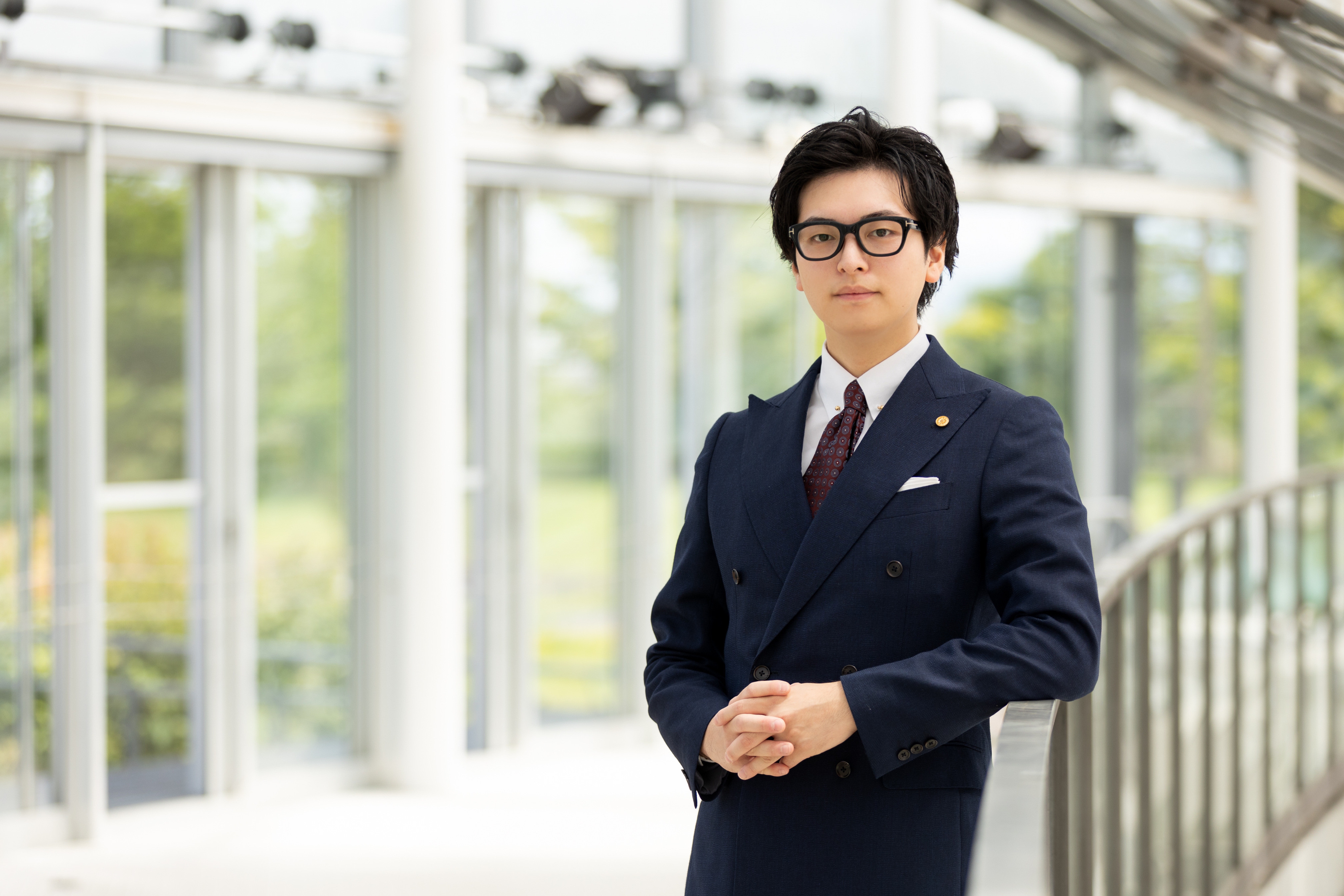
Licensed Administrative Scrivener / Immigration Application Intermediary
Registered Support Organization: 25登-012295
Sagae, Yamagata, Japan
Tel. +81 237-86-7198 (9:00–18:00 JST)
Use the following official and provider links when choosing an examination, checking the most recent fees or scheduling a test. Exam dates and conditions are determined by the responsible organizers, not by our office.
Tell us your nationality, current country, intended industry, Japanese-language level, skills-test result, Technical Intern Training history and whether you already have a job offer. We can identify the immigration requirements to review and explain our application support.
SSW COE / change support from ¥110,000 including tax · Registration 25登-012295 · No approval guarantee