For research institutions
Academic research appointments, research direction and overseas recruitment.

Are you a postdoctoral researcher, university scientist, research fellow or laboratory specialist planning research work in Japan? The Highly Skilled Professional (i)(a) status is intended for qualifying advanced academic research, research supervision or education. Our office assists researchers and Japanese host institutions with the 70-point evaluation, evidence and immigration application.
Academic research appointments, research direction and overseas recruitment.
Review your Japan host, contract, research credentials and COE route.
Evaluate status changes, HSP renewals and long-term residence plans.
HSP (i)(a) is for advanced academic research, guidance of research or educational activities based on a contract with a designated public or private organization in Japan. The legal nature of the planned activities—not merely the position title—determines the appropriate status.
Postdoctoral researchers, visiting research staff and academics carrying out qualifying paid research or teaching at Japanese universities.
Scientists at eligible public or private institutes undertaking advanced academic research under a contract.
Principal investigators and senior researchers directing scientific projects and research teams in Japan.
The research category uses its own official points table. It is not interchangeable with the points table for IT engineering or business management. Academic degrees, relevant research career, annual remuneration, age and legally recognized research achievements may affect the result.
| Factor | Practical review | Records to prepare |
|---|---|---|
| Academic background | Doctoral and master’s degrees and whether any eligible additional degrees or designated institutions apply. | Degree certificates and documentation of field of study. |
| Research experience | The periods, roles and research functions that match the academic research activity. | Appointment letters, employer certificates and research duties. |
| Research achievements | Patents, qualifying peer-reviewed publications or awarded competitive research projects where specifically eligible. | Patent evidence, database records, award notices and grant records. |
| Salary and contract | The planned remuneration from the Japanese institution and any legally eligible components. | Research appointment letter, agreement and salary breakdown. |
| Bonus categories | Japanese-language evidence, designated university or relevant institutional bonuses only if legal requirements are met. | Official certification and host institution documents. |
| Option | Typical use | What distinguishes it |
|---|---|---|
| HSP (i)(a) | Qualifying advanced academic research, research direction or teaching. | Generally a 70-point calculation and the HSP criteria in addition to qualifying underlying activities. |
| Professor | Research, instruction or research supervision at Japanese universities and certain academic establishments. | A separate status; a person working as a university postdoc may fall here rather than Researcher. |
| Researcher | Qualifying research under contract with eligible public or private organizations outside activities classified as Professor. | Separate landing criteria; a title alone does not determine eligibility. |
| Cultural Activities | Certain non-remunerated academic research or study. | Not a substitute for paid professional scientific research. |
An HSP application is not necessarily preferable to a conventional status. The expected duration, employer arrangements, family and long-term goals should be compared.
The Japanese host and applicant assemble a research appointment, points sheet and academic evidence. An overseas entry visa follows the COE, when applicable.
A scientist moving from Professor, Researcher or another qualifying status can review whether HSP (i)(a) is suitable before filing a change application.
Check current research duties, host designation and points at renewal. A change of HSP (i) designated institution may require a new status change.
HSP (i) normally receives a five-year period of stay. Eligible point-based permanent residence exceptions may be available where 70 points can be proved for the required three-year period or 80 points for the required one-year period, alongside all other permanent residence requirements.
Confirm the host, academic duties, expected remuneration, location and intended start date.
Compare HSP (i)(a), Professor, Researcher and any relevant alternatives.
Identify provable qualifications, research results, work periods and eligible bonuses.
Create a tailored document list and support the COE or change-of-status filing as permitted.
Organize further factual documents required during examination within the agreed scope.
| Service | Professional fee (tax included) |
|---|---|
| HSP No. 1 — Certificate of Eligibility (COE) | From ¥110,000 |
| HSP No. 1 — Change of status of residence | From ¥110,000 |
| HSP No. 1 — Standard extension with no employer change | From ¥44,000 |
| HSP points — detailed documentary assessment | ¥16,500 |
| HSP No. 2 — Change of status | From ¥110,000 |
| J-Skip — Special Highly Skilled Professional application | From ¥165,000 |
These are starting professional fees, not an assurance that every case falls at the minimum price. The detailed points-assessment fee is credited toward the application fee if you subsequently engage our office for the related immigration application. Government permission fees (where applicable), translations, certificate procurement, postage and other out-of-pocket costs may be charged separately. We provide an individual quotation in advance.
No. A doctoral degree may give academic points, but the proposed activity, Japanese host contract, total score and other immigration criteria must also qualify.
No. University research may fit Professor, and an eligible applicant may qualify directly for HSP (i)(a). The host institution and actual duties matter.
No. Publications must meet the exact legal research-achievement conditions, including the relevant indexing and number requirements. We review the bibliographic evidence.
The separate ¥3 million minimum specifically applies to ordinary HSP (i)(b) and (i)(c), not as a universal rule for (i)(a). Academic remuneration remains relevant to the HSP points table and underlying conditions.
Potentially. Japanese-language ability may affect available bonus points, but it is not a universal standalone condition for every HSP (i)(a) case.
A receiving institution normally participates in a COE application. We coordinate supporting documents and explain the submission arrangements allowed for the particular case.
Family residence may be possible through separate applications. Special HSP benefits have additional requirements and are not automatic.
No. J-Skip is a separate special-highly-skilled scheme with its own degree or work-experience and income thresholds. We assess the suitable route.
Research grants, scholarships, salary and expense reimbursements may have different legal characteristics. They cannot simply be added together as remuneration without reviewing the documents.
Yes. We welcome enquiries from researchers and Japanese receiving institutions. We confirm the filing authority and any limits on representation before engagement.
Kawagoe Masanobu Administrative Scrivener Office is based in Sagae City, Yamagata Prefecture. We support foreign nationals and Japanese receiving institutions with residence-status documents and immigration application-intermediary services within the authorized scope. English enquiries from outside Japan are welcome.
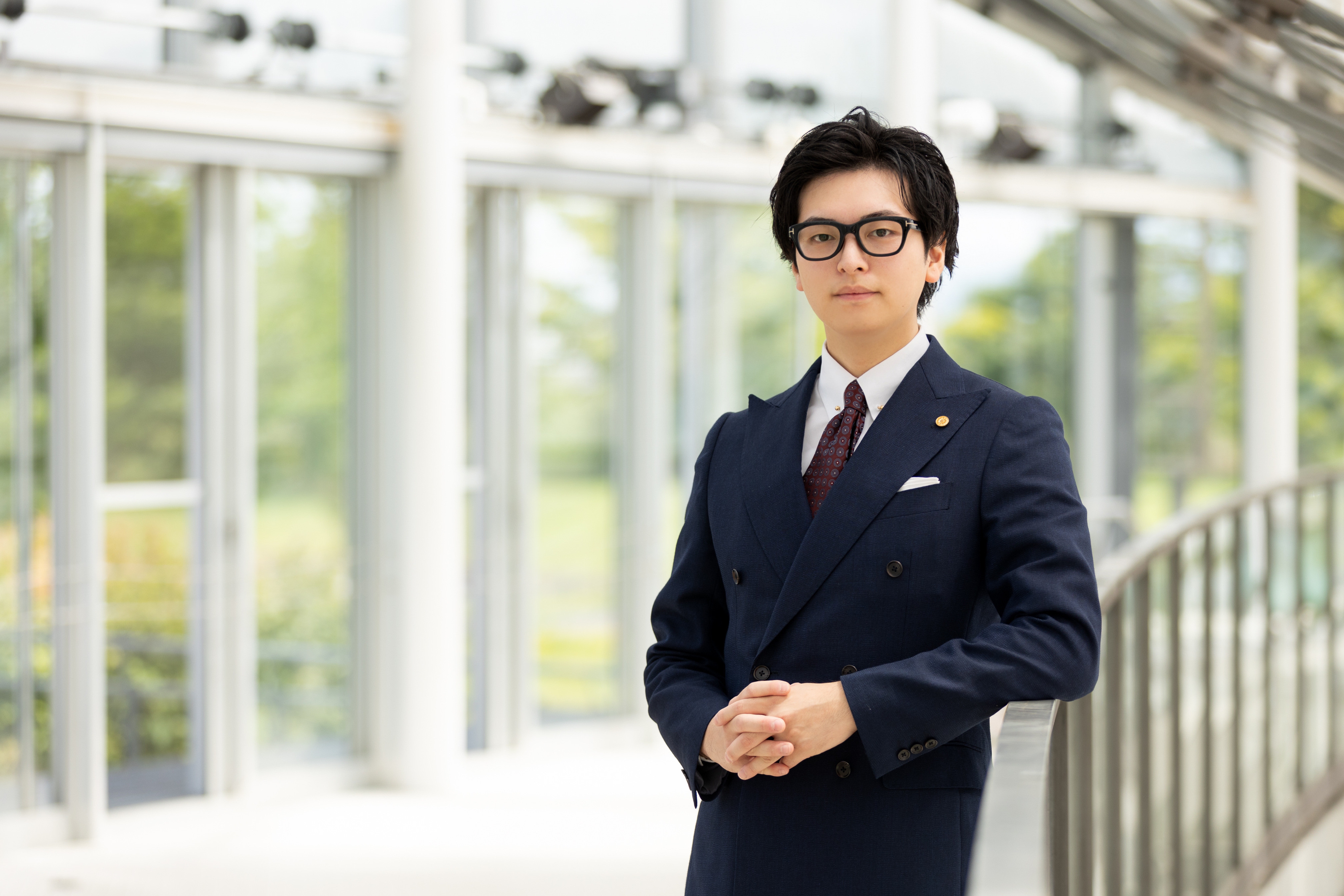
Licensed Administrative Scrivener / Immigration Application Intermediary
Sagae, Yamagata, Japan
Telephone: +81 237-86-7198
We verify the appropriate submitting authority, available procedures and individual circumstances before accepting an application engagement.
Japan’s Highly Skilled Professional system is divided into academic research, specialized/technical and business-management activities. Always use the points table for the category that fits the proposed work, and check current official filing instructions.
Tell us your current country or Japanese residence status, intended activities, academic background, relevant experience, planned remuneration and Japanese receiving organization. We will explain the next evidence-gathering steps and our fees. An immigration decision cannot be guaranteed.
Telephone 9:00–18:00 JST · HSP COE/change assistance from ¥110,000 (tax included) · Online/overseas enquiries welcome